
How to Choose the Right Hydraulic Baler for Your Waste Recycling Business: A Comprehensive Buyer's Guide
Navigating the World of Waste Balers: Your Essential Selection Guide
The global push for sustainability and efficient resource management has never been stronger. With increasing landfill costs and stringent environmental regulations, businesses across industries are turning to hydraulic balers to streamline their waste handling, reduce volume, and create a valuable commodity from scrap. However, with so many options on the market—from Waste Paper Hydraulic Baler Machines to Scrap Metal Balers—selecting the right machine can be daunting. This comprehensive buyer's guide will walk you through the key considerations to ensure you invest in a baling machine that perfectly matches your operational needs and boosts your bottom line.
Step 1: Identify Your Primary Material
The type of waste you process is the single most important factor. Using the wrong baler can lead to poor bale density, machine damage, and safety hazards.
- Fibrous & Lightweight Materials: For cardboard balers, waste paper balers, plastic bottles, and textiles, a standard horizontal or vertical hydraulic baler with appropriate pressure (measured in tons) is ideal. NKBALER offers specialized models like the Occupancy Paper Baler Machine and Textile Clothes Balers designed for high-volume, low-density materials.
- Agricultural & Biomass: Processing rice husk, straw, alfalfa hay, or wood shavings requires machines that can handle drier, sometimes abrasive materials. Look for features like reinforced chambers and specific Rice Husk Balers or Straw Balers that prevent material bridging and ensure consistent bales.
- Dense & Industrial Scrap: Scrap metal balers, aluminium balers, and PET bottle baling machines need significantly higher compression forces. These metal balers often feature stronger steel construction, specialized cutting systems, and higher horsepower to create dense, transport-ready bales that maximize scrap value.
- Municipal Solid Waste (MSW): For handling mixed waste streams, an MSW baler is built for durability and to withstand a variety of materials, often incorporating features like pre-compression and heavy-duty ejection systems.
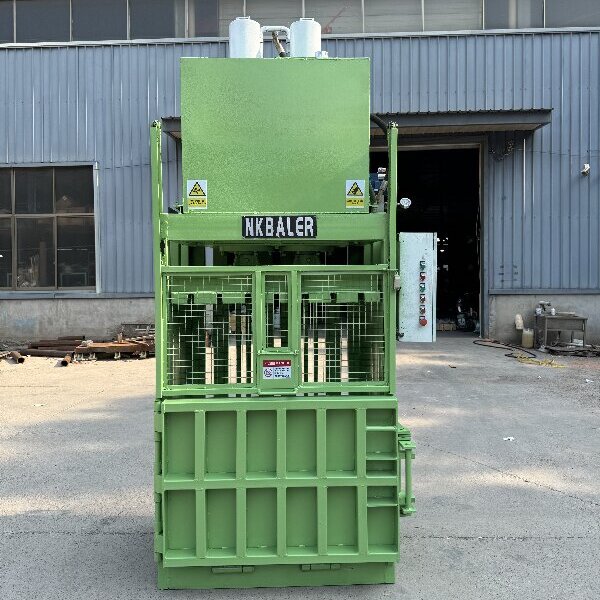
A robust Cardboard Box Baler Machine from NKBALER efficiently processes corrugated waste into uniform bales.
Step 2: Determine Your Volume and Throughput Requirements
How much material do you process daily or weekly? Your answer dictates the machine's size, cycle time, and level of automation.
- Low to Medium Volume: A manual or semi-automatic vertical baler or a smaller horizontal baler might suffice. These are common for retail backrooms or smaller warehouses.
- High Volume & Industrial Scale: Fully automatic horizontal balers or press compactors are necessary. They feature continuous feeding, automatic tying, and faster cycle times. NKBALER's Semi-Automatic Horizontal Baler models are a popular bridge, offering higher output with some manual intervention for cost-effectiveness.
- Specialized High-Density Needs: For maximizing load efficiency on shipping containers—common with plastic balers or wiper rag balers—look for machines specifically advertised as high-density. NKBALER utilizes its independently developed energy-saving hydraulic system to achieve powerful compression, significantly reducing shipping costs per ton.
Step 3: Evaluate Key Machine Features and Technology
Not all bale press machines are created equal. Advanced features improve efficiency, safety, and longevity.
- Hydraulic System: The heart of the machine. NKBALER's proprietary hydraulic servo system is a standout, known for durability, energy efficiency, and stable performance. It reduces overall energy consumption, a critical factor in operational costs.
- Control System: User-friendly PLC (Programmable Logic Controller) panels allow for easy operation, troubleshooting, and sometimes customization of bale size and density.
- Construction & Safety: Look for heavy-duty steel plate construction, safety interlocks, and emergency stop systems. A well-built machine like those from NKBALER ensures years of reliable service in demanding environments.
- Integration Options: Can the baling machine be integrated with conveyors, bagging machines, or cutting machines? For operations like rice husk bagging, a combined Press Bagging Machine solution can dramatically streamline the process.

Inside NKBALER's production workshop, showcasing rigorous manufacturing standards for every hydraulic baler.
Step 4: Consider Brand Reputation and Support
Your relationship with the manufacturer doesn't end at delivery. This is where a brand like NKBALER truly differentiates itself.
- Experience & Expertise: With 18 years of focused R&D and production in environmental protection equipment, NKBALER possesses deep industry knowledge. Their team of over 50 skilled employees, including 10 technical experts, ensures product excellence.
- Global Recognition & Certifications: Always verify certifications. NKBALER products hold crucial CE certification and the company operates under an ISO 9001 quality management system. These are not just badges; they are promises of safety, quality, and reliability, essential for exporting to over 60 countries.
- Comprehensive After-Sales Service: A global machine needs global support. NKBALER maintains a dedicated team of 20 after-sales service personnel. They provide everything from installation guidance and technical consultation to maintenance, repair, and timely spare parts supply, ensuring your baler machine operates at peak efficiency for its entire lifecycle.
Step 5: Analyze Total Cost of Ownership (TCO)
Look beyond the initial purchase price. The true cost includes:
- Energy Consumption: An energy-efficient system (like NKBALER's servo system) can lead to substantial savings on electricity bills over years of operation.
- Maintenance & Downtime: Robustly built machines from reputable suppliers require less frequent repairs. Accessible local support minimizes costly downtime.
- Bale Quality & Revenue: A machine that produces denser, more uniform bales (e.g., from a high-quality Silage Baling Press or Aluminium Baler) commands a better price from recyclers, directly increasing your revenue stream.
Why NKBALER Stands Out as a Trusted Partner
Choosing NKBALER means more than buying a machine; it's investing in a partnership for sustainable waste management. As a comprehensive enterprise integrating design, sales, and service, they offer a complete range of solutions. Whether you need a standard Waste Paper Hydraulic Baler Machine, a specialized Sawdust Baler Machine, or a heavy-duty Scrap Plastic Baler Press, their portfolio is designed to meet diverse global needs.
Their commitment to innovation is evident in their custom systems, and their dedication to customer satisfaction is proven by 99% recognition and praise from clients worldwide. From their factory in Wuxi, China, they deliver not just equipment, but reliability, efficiency, and a tangible return on investment.
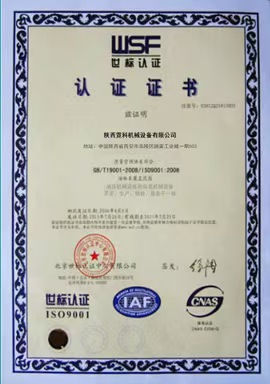
ISO 9001 certification underpins NKBALER's commitment to consistent quality in every baling press machine they produce.
Ready to optimize your waste stream? Contact the experts at NKBALER today for a personalized consultation. Discuss your specific material, volume, and goals to find the perfect hydraulic baler solution for your business.
Contact NKBALER:
Phone/WhatsApp: +86 15021631102
Email: nk@nkbaler.com / Nickbaler888@gmail.com
Website: https://www.nkbaler.com
Address: East Qunsheng Road, Wuxi City, Jiangsu, China
Have Questions or Need More Details?
Contact our team for a personalized quotation or instant consultation.
Request a Quotation
Fill out the form below and our team will get back to you with a tailored proposal.
WhatsApp Direct Chat
Prefer to chat in real-time? Message us on WhatsApp for instant assistance & quick answers.
- Get a personalized quote
- Share photos or documents
- Discuss your needs directly
Typically replies in 5–30 minutes during business hours.