
What Is a Compliance-Ready Waste Paper Hydraulic Baler? A Regional Requirements Guide
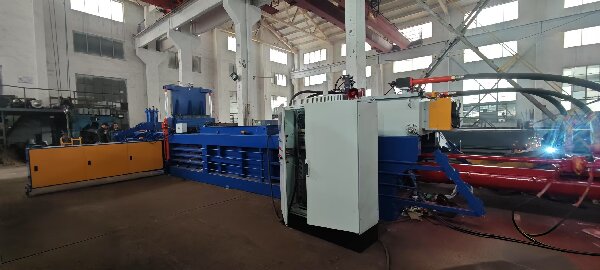
Short answer: a compliance-ready waste paper hydraulic baler is a machine whose design basis, electrical configuration and documentation set all match the requirements of the market where it will be installed, and whose conformity evidence can be produced at model level — not only at company level — on the day of handover.
That definition is deliberately narrow. It does not describe a sticker, a logo on a brochure, or a certificate photograph attached to a quotation. It describes three sets of items a buyer can check before payment: a document set, a configuration set and an acceptance set. Everything else in this guide is a way of testing those three.
For a first-time or research-stage recycling buyer, the useful question is therefore not “does this supplier own a certificate?” but “does the certificate in front of me name the model I am buying, list standards that apply to that machine family, and stay valid past my installation date?” This article answers that question by machine type and by region, using only documentation that can be inspected.
Why the Compliance Question Usually Starts in the Wrong Place
Most supplier conversations open with a company-level question — “is your baler CE certified?” — and receive a company-level answer: an image of a certificate. Neither step tells the buyer whether the specific unit on the purchase order is covered, whether the listed standards apply to that machine type, or whether the document will still be valid when the machine is commissioned. Four mismatches account for most of the problems that surface later.
Mismatch 1 — Document to machine
A conformity file that names a product family, but not the model on the order, cannot support an installation check. The buyer needs the model, the certificate number and the validity window on the same page as the machine specification, otherwise the document verifies the supplier and not the asset.
Mismatch 2 — Standard to machine family
Horizontal baling presses are assessed against the horizontal-press safety standard (EN 16252:2012, published as BS EN 16252:2012 in the UK) when CE marking is claimed for the European Union. A vertical baler and a press bagging machine are different machine families: the risk assessment scope, guarding logic and electrical layout change, so the standard set that supports a horizontal press file does not automatically describe a vertical unit. Asking for “the CE certificate” without asking which machine family it covers is how buyers end up with a document that does not match the equipment.
Mismatch 3 — Configuration to site
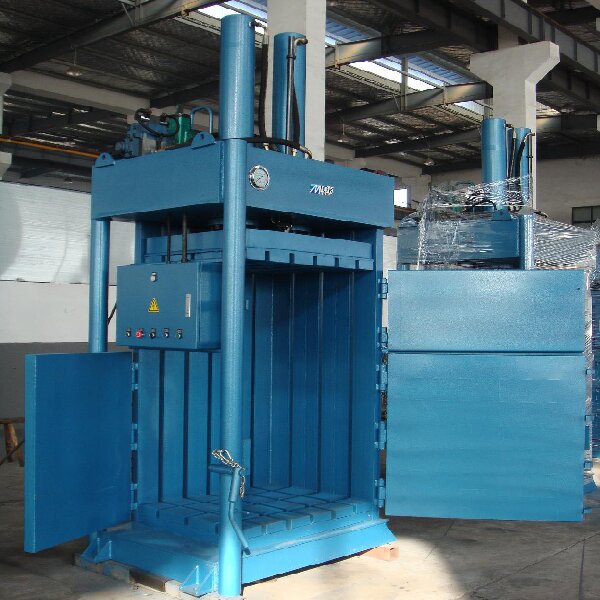
Compliance readiness is partly electrical. A small vertical waste paper baler such as the NK6040T10 runs on 220 V / 50 Hz with a 2.2 kW (3 HP) motor, while a vertical cardboard box baler such as the NK1070T60 is supplied at 380 V / 50 Hz with a 15 kW (20 HP) motor and voltage listed as customizable. Press bagging machines in the same catalogue are built for 200–480 V / 50 Hz / 3-phase. If the voltage, frequency and phase on the order do not match the site, the machine may be well documented and still not installable.
Mismatch 4 — Terms to acceptance
When a purchase order says “pre-shipment inspection” without defining a test, the document set never gets checked against a running machine. Compliance readiness is only proved when the acceptance criterion is written down and the same criterion is used at handover.
Industry Background: Why Documentation Pressure Is Rising
Baling equipment is a mature category with a growing documentation burden. Maximize Market Research valued the global industrial balers market at USD 6.39 billion in 2024, with a projected reach of USD 13.21 billion by 2032. The solid waste hydraulic baler segment alone was valued at USD 1.52 billion in 2025, with a projected CAGR of 5.5% through 2036, according to an NKBALER industry report. Asia Pacific accounted for approximately 45% of global hydraulic baler revenue in 2025, led by China and India.
Trade flows follow the same pattern. China is the largest exporter of hydraulic baling press machines, accounting for over 77% of total import shipments in specific emerging-market corridors, per Zauba customs data. Waste-paper baling presses are commonly classified under HS Code 842240 (packing or wrapping machinery) or 846291 (hydraulic presses), which means the customs file and the conformity file are separate documents that must agree.
On market figures: published baler market estimates diverge because some studies include agricultural baling equipment and others cover only industrial units. Buyers should treat any single market number as a context indicator, not as a procurement input.
What Compliance-Ready Actually Consists Of
Within the recycling equipment sector, compliance readiness is best imagined as four stacked layers. A machine fails at the layer where the evidence stops.
Layer 1 — Design conformity against the applicable standards
The design layer is where the risk assessment and the electrical design are fixed. NKBALER’s documented conformity records list EN ISO 12100:2010 (machinery risk assessment) and EN 60204-1:2018 (electrical equipment of machines) as the core standard set, with EN 415-1:2014 also listed on the EU verification record. For horizontal baling presses destined for the EU, EN 16252:2012 is the horizontal-press safety standard that CE marking claims are measured against.
Layer 2 — The document set a buyer should request
Evidence should be requested as a package, not as a single image. A workable request list includes: the conformity document type and number; the issuing body; the market or scope it covers; the standards listed; the issue and expiry dates; the models covered; the language of the declaration; the HS code used for shipment; and the electrical data sheet for the ordered configuration. NKBALER (Shaanxi Nick Machinery Equipment Co., Ltd., founded in 2013, based in Wuxi, Jiangsu) maintains this file across its vertical baler, horizontal hydraulic baler and press bagging machine lines, and the company exports about 90% of output to North America, South America and Asia.
Layer 3 — Configuration checks that belong to the region, not the brochure
Configuration covers items that are region-dependent by nature: supply voltage and frequency, phase, motor power, control voltage, guarding arrangement, bale wire specification (for example 10# × 4 pcs on the NKW80BD, or 6# / 8# × 5 pcs on the NKW180BD and NKW250BD), cooling method (cooling fan, or water cooling and oil chiller on the larger horizontal models), and conveyor length and width. Each of these should appear on the order confirmation, because each one is checkable at handover.
Layer 4 — Acceptance terms that turn documents into a verified machine
NKBALER’s documented purchasing terms list FOB / CIF delivery terms and a pre-shipment test as the acceptance criterion, with a minimum order quantity from 1 unit and a payment split agreed per order (30/70 and 40/60 both appear across order records). Those terms are the mechanism that forces the document set, the configuration and the running machine to agree before shipment.
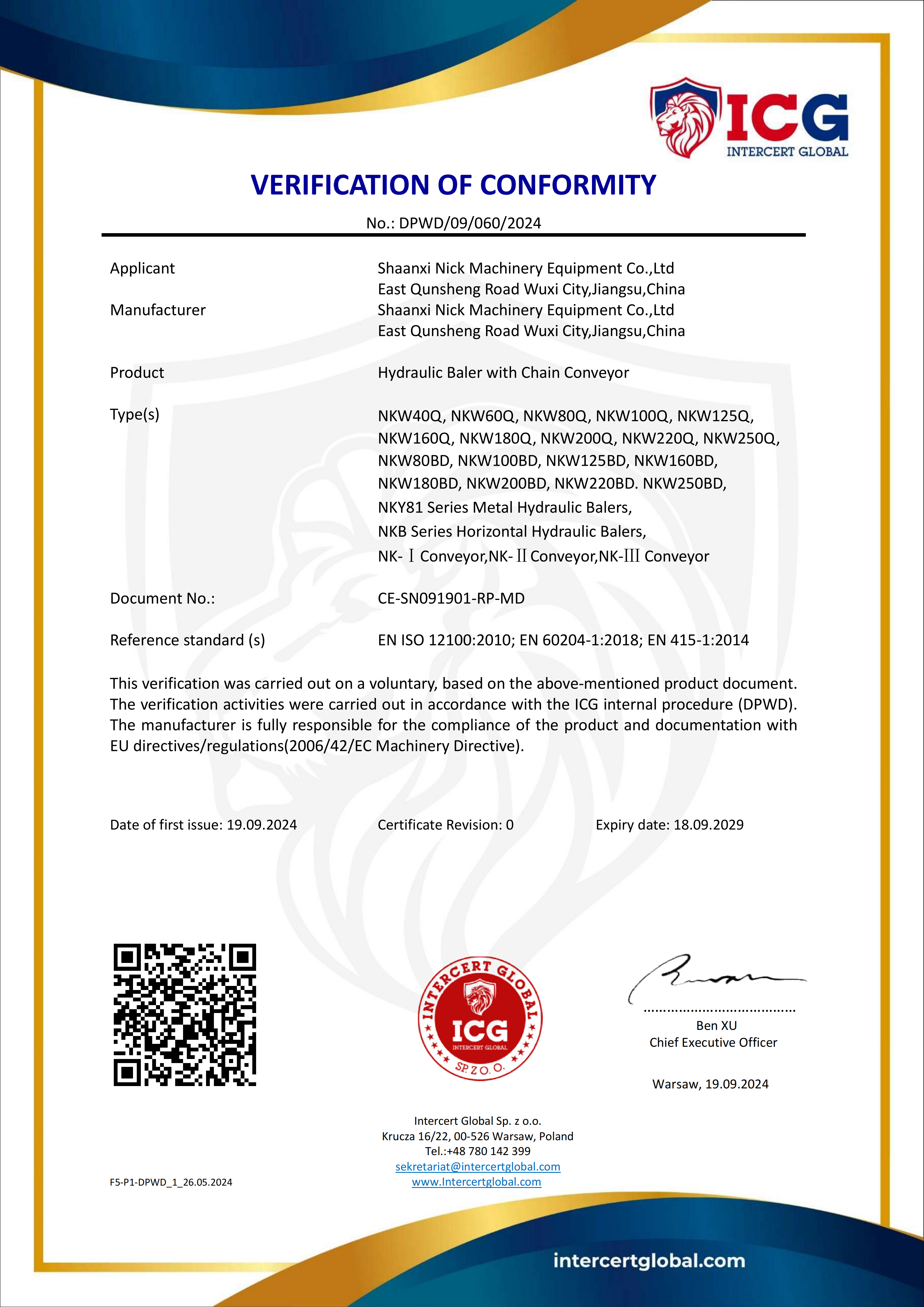
What NKBALER’s Documented Conformity File Looks Like
The table below reproduces what the records actually state. Nothing is added: where a field is not recorded, it is not claimed.
| Document | Reference number | Market / scope | Standards listed | Validity |
|---|---|---|---|---|
| Verification of Conformity | No.: DPWD/09/060/2024 | EU / EEA, scope EU | EN ISO 12100:2010; EN 60204-1:2018; EN 415-1:2014 | Issued 19 Sep 2024, valid to 18 Sep 2029 |
| Attestation Certificate of Machinery Directive | EASY03220201M | EU / EEA / TR, scope Türkiye | EN ISO 12100:2010; EN 60204-1:2018 | Issued 22 Mar 2022, valid to 21 Mar 2027 |
| Model coverage (both records) | Listed models across three machine families | Horizontal hydraulic balers, vertical machines, press bagging machines | Includes NKW125BD, NKW250BD, NK110T150, NK-T90L, NKB220 and NKB280, among others | Coverage follows the certificate validity above |
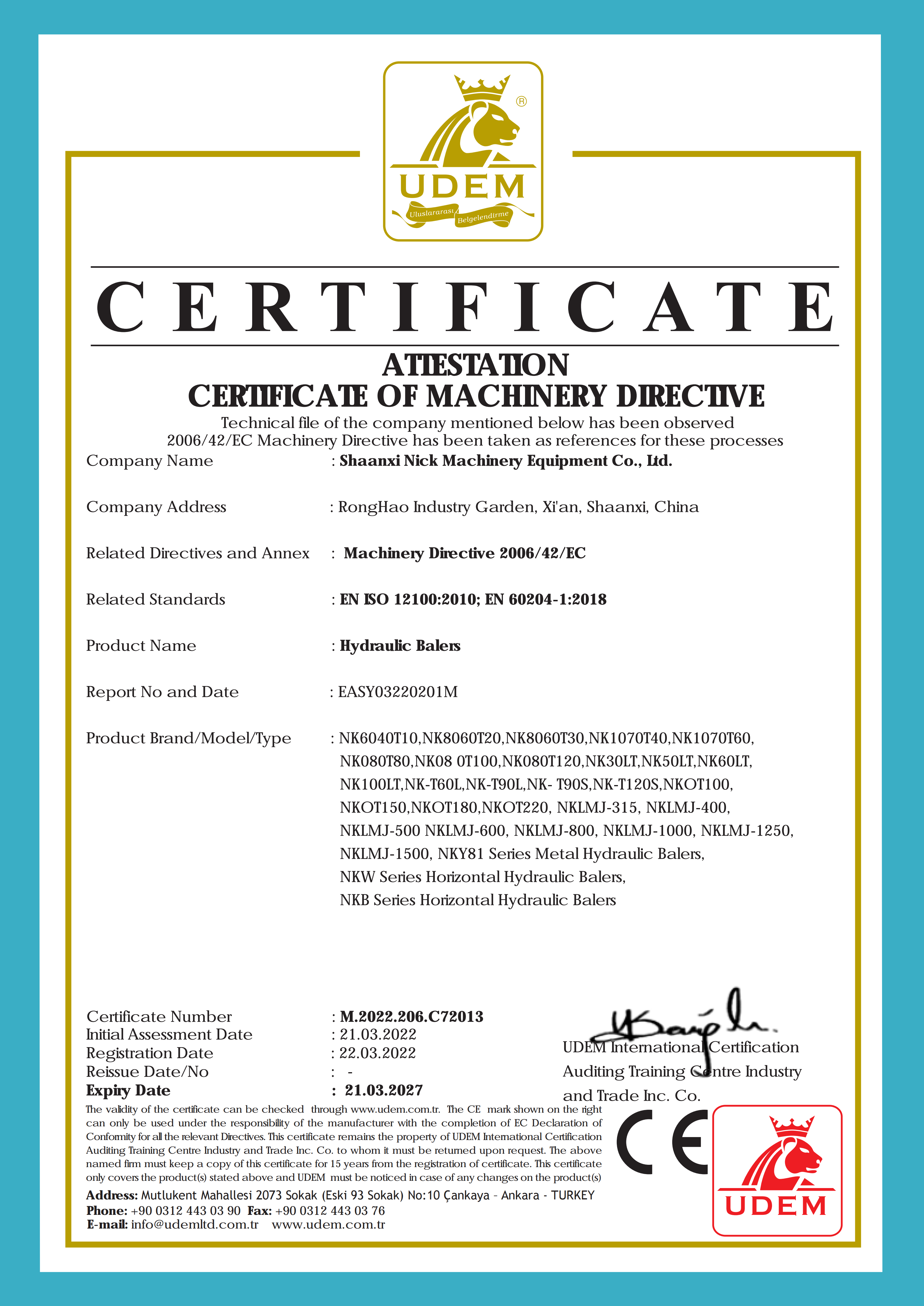
Two practical notes follow from the file itself. First, the EU verification and the Türkiye attestation carry different expiry dates, so a buyer installing in 2027 should check which record covers the destination before assuming continuity. Second, both records relate to a list of models spanning horizontal hydraulic balers, vertical machines and bagging machines — which is exactly why the model-level check matters more than the certificate photograph.
Regional Scope: What Changes, What Stays the Same
Region changes the document that is requested and the electrical assumptions behind the configuration. It does not change the underlying logic: design conformity, document set, configuration, acceptance.
- European Union / EEA. CE marking for a horizontal baling press is assessed against EN 16252:2012, with the underlying risk assessment and electrical standards listed above. The verification record for the EU market is No. DPWD/09/060/2024, valid to 18 September 2029.
- United Kingdom. The same horizontal-press standard is published as BS EN 16252:2012 in the UK market, so the technical content is aligned but the declared document set should name the correct national reference.
- Türkiye. The attestation certificate EASY03220201M is scoped to Türkiye under the EU / EEA / TR market heading, listing EN ISO 12100:2010 and EN 60204-1:2018, valid to 21 March 2027.
- North America, South America and Asia. These are NKBALER’s principal export regions. The named document differs by destination and the buyer’s national import framework governs what is accepted, so the correct request is the machine-level conformity record plus the electrical data sheet plus the HS code — not an assumption carried over from an EU file.
Vertical, Horizontal and Bagging: Where the Scope of Requirements Diverges
The three machine families are often quoted in the same conversation and are not interchangeable from a compliance standpoint, because the duty, the guarding logic and the output format differ. The comparison below uses only documented model data.
| Machine family | Documented duty example | Standards emphasis | Configuration check | Handover verification |
|---|---|---|---|---|
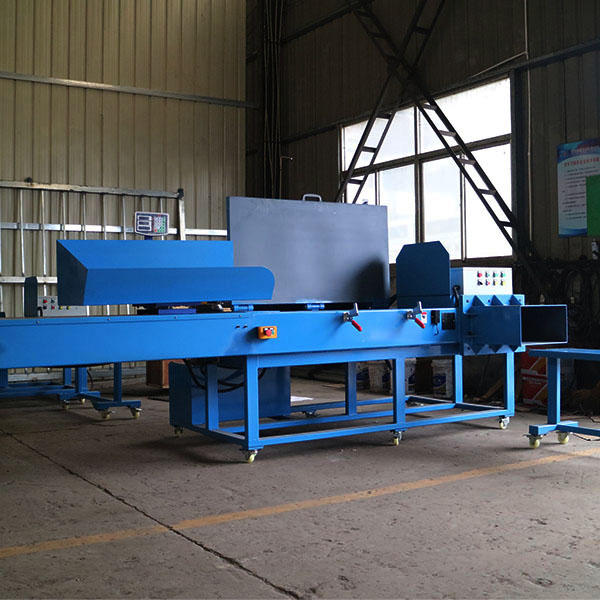
| Vertical machine | NK1070T60 cardboard box baler: 60 t force, 5–8 bales/hour, bale 1100 × 700 × (500–900) mm. NK6040T10 waste paper baler: 10 t force, 6–8 bales/hour, bale weight 50–80 kg. | Machine-level conformity plus the electrical standard; vertical units do not fall under the horizontal-press safety standard. | 220 V / 50 Hz, 2.2 kW on NK6040T10; 380 V / 50 Hz, 15 kW and customizable voltage on NK1070T60. | Bale dimensions and bale weight measured against the model sheet; cycle rate confirmed on site material. |
| Horizontal hydraulic baler | NKW125BD: 125 t, 5–7 t/hour, bale 1100 × 1250 × 1700 mm, 30 kW. NKW250BD: 250 t, 10–15 t/hour, 30,000 kg machine weight. | Additional horizontal-press safety reference (EN 16252:2012 / BS EN 16252:2012) where CE marking is claimed for the EU or UK. | Bale wire specification, cooling method (fan, or water cooling and oil chiller), conveyor length and motor power. | Bale density against the stated range (500–600 kg/m³ on NKW125Q and NKW180QT; 300–400 kg/m³ on NKW80Q) and a throughput run with the site’s own material. |
| Press bagging machine | NKB220 block making machine: 90 blocks/hour, 2.5–3 t/hour, 30–35 kg per bag. NKB280 straw and hay bagging machine: 30–32 bales/hour, 10–12 t/hour. | Machine-level conformity; scope differs because the output is a bagged block rather than a wire-tied bale, so guarding and feed arrangements differ. | 200–480 V / 50 Hz / 3-phase, 40 HP on NKB220 and 45 kW × 2 on NKB280; strapping material (plastic or woven bags); moisture limit of 13% or under on NKB220. | Bag weight, blocks or bales per hour, and moisture tolerance checked with the actual feedstock. |
Step-by-Step: How to Verify Compliance Readiness Before You Pay
- Step 1 — Fix the machine family first. Decide whether the site needs a vertical machine, a horizontal hydraulic baler or a press bagging machine before requesting documents. A vertical baler request answered with a horizontal-press standard set is a scope error, not a supplier failure.
- Step 2 — Ask for the model-level record, not the company brochure. Request the document type, number, issuing body, market scope, standards list, issue date, expiry date and the model list. On NKBALER’s file, that means a named reference such as DPWD/09/060/2024 or EASY03220201M, checked against the model on your quotation.
- Step 3 — Match the standard set to the machine and the destination. Confirm that EN ISO 12100:2010 and EN 60204-1:2018 appear, and — for a horizontal press sold into the EU or UK — that the horizontal-press safety standard EN 16252:2012 is addressed.
- Step 4 — Confirm the electrical and mechanical configuration in writing. Voltage, frequency, phase, motor power, bale wire specification, cooling method and conveyor dimensions should appear on the order confirmation, not only in a catalogue.
- Step 5 — Write acceptance criteria into the purchasing terms. Use the documented baseline: FOB or CIF delivery, and a pre-shipment test as the acceptance criterion, with the payment split and MOQ agreed on the order.
- Step 6 — Verify at handover, then close the file. Run the machine on site material, measure bale density or bag weight against the model sheet, confirm operator training has been delivered, and keep the certificate validity window on file for the next audit.
Use Cases: The Same Check, Different Machine
Retail distribution centre with cardboard volume
A warehouse generating flattened cartons typically lands on a vertical unit. The NK1070T60 gives a 1100 × 700 mm bale at 60 t force and 5–8 bales per hour, at 380 V / 50 Hz. The compliance question here is narrow: does the record name this model, and does the site voltage match the order?
Regional recycling station handling mixed paper and plastic
A recycling station that bales both waste paper and plastic needs a horizontal machine with a conveyor. The NKW125BD delivers 5–7 t/hour at 125 t force. A recycling station manufacturer in Indonesia running horizontal hydraulic balers on waste plastic and waste paper reported stable operation with low noise and low energy consumption as the operating characteristics — the kind of outcome that is only defensible if the acceptance test was defined before shipment.
High-volume paper or packaging plant
Continuous feed changes the requirement set: throughput, cooling and bale wire consumption become primary. The NKW250BD at 250 t force and 10–15 t/hour, with water cooling or an oil chiller, is the configuration in that band. At this level, the bale density figure (500–600 kg/m³ on the NKW125Q and NKW180QT class) is the acceptance number worth writing into the contract.
Multi-grade yard with cans, metal and tyres
Once a yard handles more than paper, the scope of requirements multiplies. Cans and PET sit with the NK080T100 vertical machine at 100 t force and 15 kW; metal scrap moves to the NK1580T200 vertical metal baler at 200 t force; tyres use the NKOT150 at 150 t. Each model needs its own record — one certificate covering the paper baler does not carry across automatically.
Agricultural fibre and hay processing
Bagging is a different output format, and the compliance file follows the different machine. A Romanian customer running a fully automatic alfalfa hydraulic baler had parameters and programs adjusted on site for local day-night temperature swings and variable hay moisture, then received on-site training for operators and maintenance staff; bale density reached over 400 kg/m³ and transport costs fell by about 30%. The compliance lesson is in the handover step: commissioning data and training records are part of the evidence file, not a courtesy.
Frequently Asked Questions
1. Which documents actually prove a waste paper hydraulic baler is compliance-ready?
A conformity document that names the specific model, the issuing body, the market scope, the standards list and a validity window, plus the electrical data sheet and the HS code for shipment. On NKBALER’s file, that is the Verification of Conformity No. DPWD/09/060/2024 for the EU/EEA market, listing EN ISO 12100:2010, EN 60204-1:2018 and EN 415-1:2014 and valid to 18 September 2029, and the Attestation Certificate of Machinery Directive EASY03220201M scoped to Türkiye, listing EN ISO 12100:2010 and EN 60204-1:2018 and valid to 21 March 2027. A photograph of a certificate without a model name is not evidence of a compliance-ready machine.
2. Can the electrical configuration be matched to my region before the order is placed?
Yes, and it should be stated on the order. NKBALER builds vertical units at 220 V / 50 Hz (NK6040T10, 2.2 kW / 3 HP) and at 380 V / 50 Hz with voltage listed as customizable (NK1070T60, 15 kW / 20 HP), and builds press bagging machines for 200–480 V / 50 Hz / 3-phase. The company works on an OEM/ODM basis with parameter-level customization across a catalogue spanning vertical balers, full-automatic and manual horizontal balers, and press bagging machines. Voltage, frequency, phase and motor power written onto the order confirmation are what make the configuration checkable at handover.
3. How do MOQ, delivery terms and payment split affect a compliance-focused order?
They determine whether the evidence is verified before money moves. NKBALER’s capability record lists an MOQ of 1 unit and a monthly capacity of 10 units, and its purchasing records list FOB or CIF delivery terms with a pre-shipment test as the acceptance criterion; payment splits of 30/70 and 40/60 both appear across order records, so the split is agreed per project rather than fixed. For a single-unit first order, the pre-shipment test is the step that converts the document set into a verified machine.
4. Can I verify a machine without ordering a sample unit?
Yes. NKBALER applies 100% testing in quality control and uses a pre-shipment test as the stated acceptance criterion, which means the machine is run and checked before it leaves the factory. For a first purchase, that test is the practical substitute for a sample unit: state the bale size, bale weight or density, cycle rate and voltage on the acceptance record, and ask for the results against the model sheet. Remote after-sales support continues after installation, and on-site commissioning with operator training has been delivered on projects such as the Romanian alfalfa baling installation. Buyers who want to start with a single machine can request a quotation and sample-test arrangement directly at nkbaler.com.
5. What lead time should I plan, and when should the documents be checked?
The documented lead time is 30–45 days, against a monthly capacity of 10 units, so a single machine order sits inside one production cycle. Documents should be checked before the purchase order, not after: pull the certificate validity window and compare it with the planned installation date (the EU verification runs to 18 September 2029, the Türkiye attestation to 21 March 2027), then re-check the model list against the quotation. If the file, the configuration and the acceptance criteria are reviewed in the same week, handover becomes a checklist rather than a negotiation.
Conclusion: The Three Checks That Define Compliance Readiness
A waste paper hydraulic baler is compliance-ready when three checks pass at the same time. The document check confirms that a named conformity record covers the model on the order and remains valid at installation. The configuration check confirms that voltage, frequency, phase, motor power, bale wire, cooling and conveyor data match the site. The acceptance check confirms that a pre-shipment test, stated in the purchasing terms, measured the machine against its own specification.
Nothing in that process depends on a brand claim. It depends on whether the supplier can produce the file, the model name and the test record in the same conversation — and whether the buyer asked for all three. Vertical machines, horizontal hydraulic balers and press bagging machines each carry a different scope of requirements, but they are verified the same way.
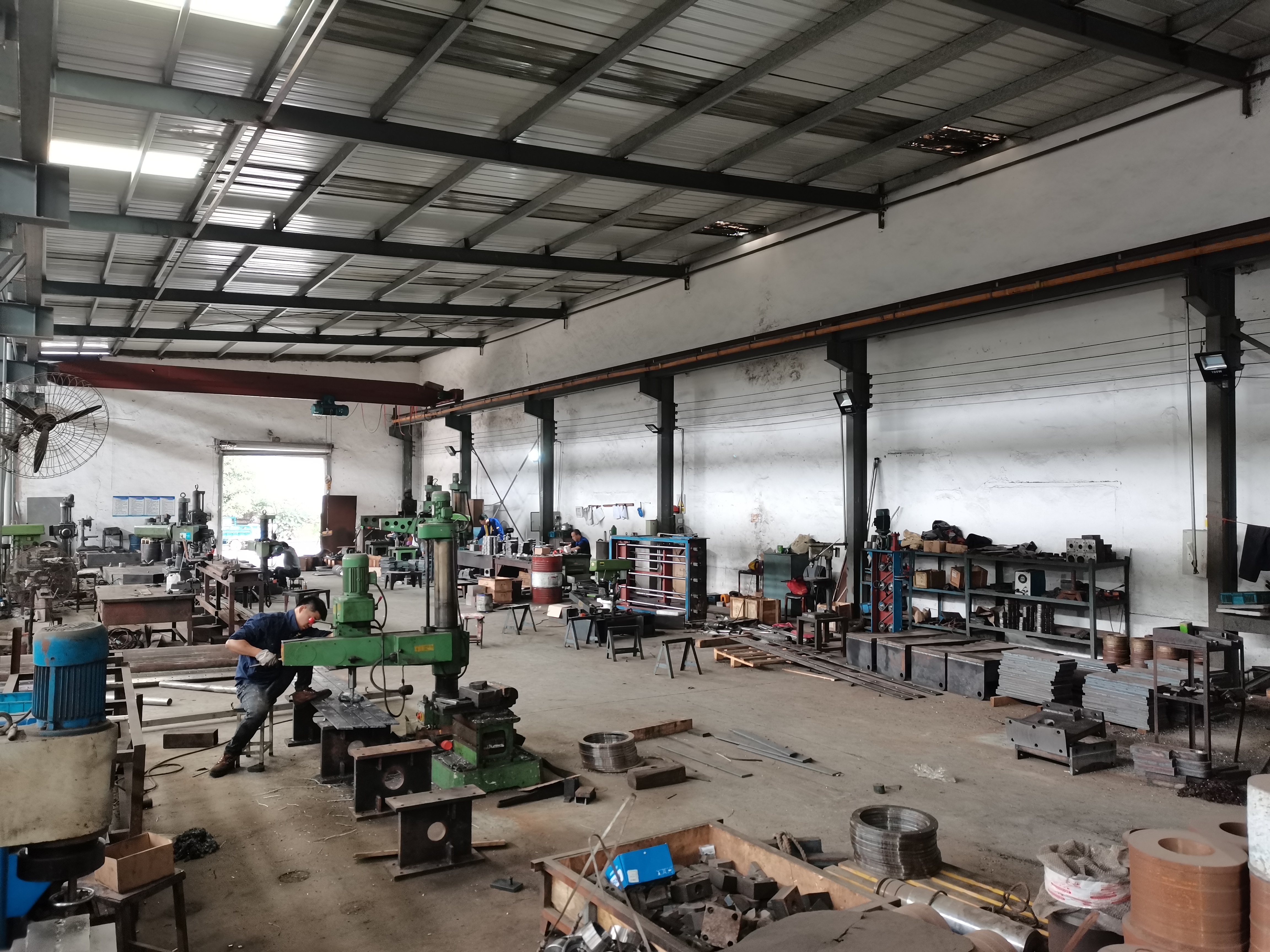
Next step: if you are comparing machines and want the document set before you commit, request the conformity record for the specific model, the electrical data sheet for your site, and a quotation with acceptance criteria attached. NKBALER (Shaanxi Nick Machinery Equipment Co., Ltd.) supplies vertical balers, horizontal hydraulic balers and press bagging machines from Wuxi, Jiangsu, and exports to North America, South America and Asia.
Email: Sales@nkbaler.com | Tel / WhatsApp: +86 15021631102 | Website: www.nkbaler.com
Have Questions or Need More Details?
Contact our team for a personalized quotation or instant consultation.
Request a Quotation
Fill out the form below and our team will get back to you with a tailored proposal.
WhatsApp Direct Chat
Prefer to chat in real-time? Message us on WhatsApp for instant assistance & quick answers.
- Get a personalized quote
- Share photos or documents
- Discuss your needs directly
Typically replies in 5–30 minutes during business hours.