
Waste Paper Hydraulic Baler vs. Bagging Machine: Which Fits Your Waste Handling?
Short answer: choose a waste paper hydraulic baler when the material leaving your site must be dense, stackable and tradable as a bale. Choose a bagging machine when the material is loose and light and the priority is contained, uniform-weight units for collection, internal handling or downstream dosing. The two machines are not rival versions of the same job. They produce different output forms, and the correct choice follows from what happens to the material after it leaves the machine, not from which unit looks more capable.
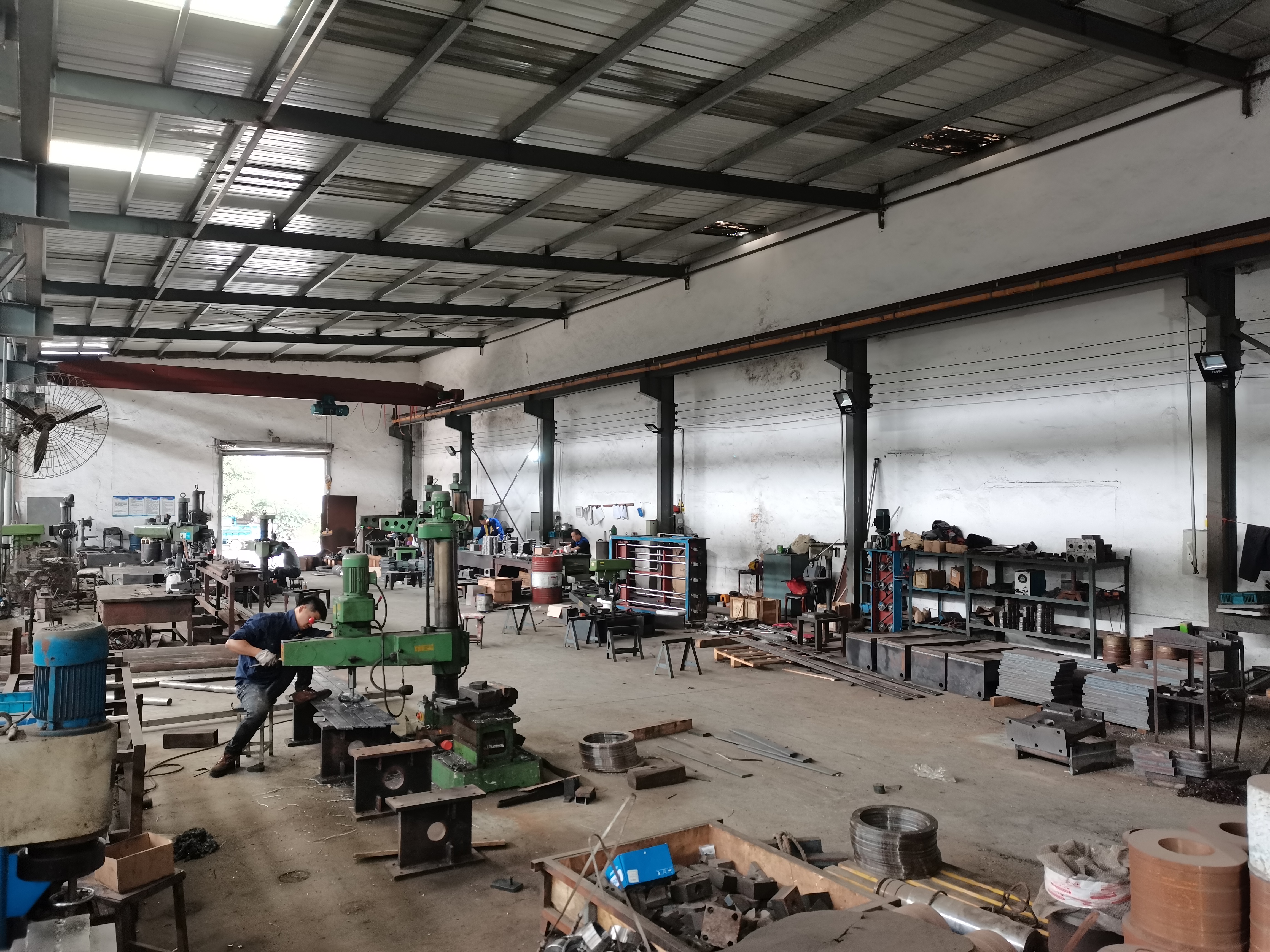
Both formats come from the same catalogue. Shaanxi Nick Machinery Equipment Co., Ltd. (NKBALER) is an enterprise engaged in the R&D and sales of environmental protection equipment and packaging machinery, founded in 2013 and based in Wuxi, Jiangsu, China. Its main products are vertical machines, fully automatic and manual horizontal hydraulic balers, and press bagging machines, and roughly 90% of its output is exported, mainly to North America, South America and Asia. Because the baler and bagging families sit side by side in one product range, the comparison in this guide can be made on published parameters rather than on assumptions.
Within baling there is a second decision, vertical machine or horizontal hydraulic baler, and it changes the answer as much as the baler-versus-bagging question does. This guide covers both levels and closes with a fit checklist you can apply to your own site before you request a quotation.
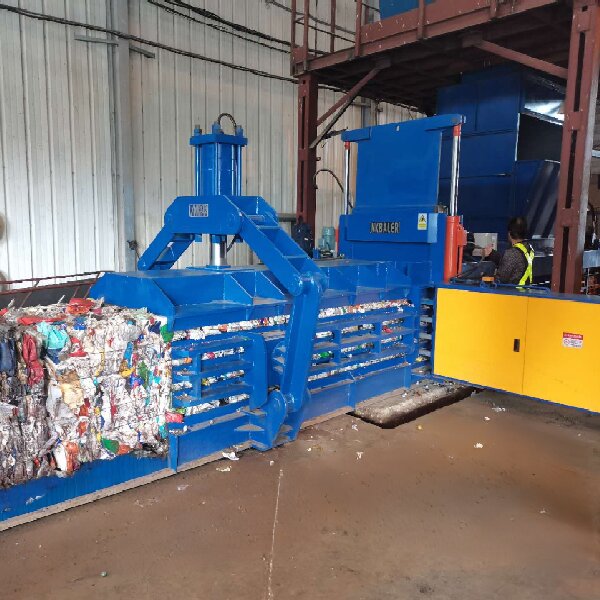
Problem Definition: What Waste Handling Actually Has to Deliver
Loose waste paper is a volume problem before it is a weight problem. A storage area filled with unbaled paper, cardboard and mixed recyclables consumes floor space, is difficult to weigh, and loads poorly into a truck. At machine level there are only two practical remedies: increase the bulk density of the material by compacting it into a bale, or compact and contain it inside a sealed bag or block so the material becomes a countable, movable unit.
Compaction is the shared mechanism in both cases. What differs is the output. A bale is a dense, wire-tied, stackable unit whose value is measured in density and bale weight. A bag or block is a contained unit whose value is measured in uniform weight, dust control and handling convenience. That difference determines storage layout, truck loading, labour, and whether a downstream paper buyer or trader can accept the material at all.
Three questions usually settle the choice before any technical specification is discussed:
- What does the receiving party accept? If baled waste paper is the tradable unit in your market, a baler is mandatory. If the material stays inside your own process and only needs to be contained and counted, a bagging machine may be sufficient.
- How much material arrives each shift? Low volumes suit a compact vertical machine; high, continuous volumes suit a horizontal hydraulic baler with conveyor feed; low-density, light fractions that must be split into small units suit a bagging machine.
- What can the building support? Ceiling height, floor area, feeding method and available power supply eliminate certain formats immediately, because a horizontal hydraulic baler needs conveyor space and a substantially larger footprint than a vertical machine.
One boundary condition is worth stating early: moisture. Bagging formats are sensitive to water content, and the NKB220 block making unit specifies a moisture requirement of 13% or under. Hydraulic baling tolerates a wider range of material condition because the load is compressed by cylinder force rather than formed into a shape. If your waste paper stream is wet, mixed or heavily contaminated, the baler side of this decision becomes stronger before volume, labour or floor space are even considered.
Why baler-versus-bagging is often confused with vertical-versus-horizontal
Buyers frequently describe both decisions as one. They are separate. Baler versus bagging decides the output form. Vertical versus horizontal decides the machine architecture used to produce a bale. A site can be certain it needs a baler and still choose the wrong format if throughput and floor space are not matched to machine geometry.
Industry Background: Why More Sites Are Re-Tooling Waste Paper Handling
Waste compaction is a mature equipment category, but its scale continues to grow. Maximize Market Research values the global industrial balers market at USD 6.39 billion in 2024 and projects it to reach USD 13.21 billion by 2032. Published estimates differ depending on scope, since some analyst figures include agricultural baling machinery while others count only industrial and waste-handling equipment, so the direction of growth is more reliable than any single number.
Regulatory pressure shapes the equipment itself. Horizontal baling presses must comply with the EN 16252:2012 safety standard for CE marking in the European Union, according to BSI Knowledge. That requirement pushes buyers to examine guarding, control systems and documentation rather than only cylinder force and hourly output.
Trade classification matters too. Hydraulic baling press machines for waste paper are commonly classified under HS Code 8422.40 (packing or wrapping machinery) or 8462.91 (hydraulic presses for working metal or scrap), as reflected in customs data compiled by Volza and Made-in-China. Buyers importing into markets where duty treatment differs between the two codes should confirm classification with a customs broker before the purchase order is placed, because the machine's function, packing versus pressing, is what drives the code.
The practical consequence for a plant, warehouse or recycling operation is that waste handling equipment is now evaluated on three levels at once: throughput, compliance documentation, and the form in which the material leaves the site.
Detailed Solution: The Three Formats on the Table
Vertical machine: the compact-footprint baler format
A vertical machine compresses material downward inside a chamber and produces a bale that is tied and ejected from the same opening. It is the format for sites where floor area and power supply are limited. Two waste-paper-relevant models in the NKBALER range illustrate the scale:
- NK6040T10 — a waste paper baler with 10 ton hydraulic power, packaging size of 600 × 400 × (350–600) mm, feed opening of 540 × 450 mm, capability of 6–8 bales per hour, bale weight of 50–80 kg, 220V/50HZ supply, 2.2 kW (3 HP) motor, machine size of 870 × 780 × 2150 mm and a machine weight of 600 kg.
- NK1070T60 — a cardboard box baler machine with 60 ton hydraulic power, bale size of 1100 × 700 × (500–900) mm, feed opening of 1100 × 500 mm, chamber size of 1100 × 700 × 1450 mm, capability of 5–8 bales per hour, 380V/50HZ supply (voltage can be customized), 15 kW (20 HP) motor, machine size of 1600 × 1100 × 3200 mm and a machine weight of 2.2 T.
The operating implication is straightforward. Vertical machines keep the bale small and the machine narrow, a 50–80 kg bale can be handled manually, and the whole unit fits into a backroom or service corridor without a feed conveyor. The trade-off is throughput and bale mass, because this format is not designed for continuous, high-volume flow.
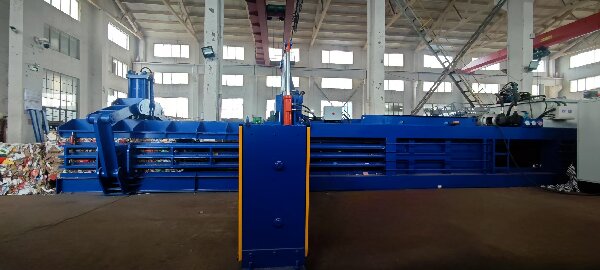
Horizontal hydraulic baler: the throughput and density format
A horizontal hydraulic baler compresses material along a horizontal axis, typically fed by a conveyor, and ejects a wire-tied bale at the far end of the chamber. NKBALER builds this format as both fully automatic and semi-automatic horizontal hydraulic balers. The range spans a wide throughput band, and the published parameters show how the architecture scales:
- NKW80BD — 80 ton hydraulic power, bale size 1100 × 850 × 1700 mm, feed opening 1200 × 1000 mm, capacity 2–3 T/hour, 22 kW (30 HP) motor, machine weight 14,500 kg with a 4,500 kg conveyor.
- NKW125BD — 125 ton hydraulic power, bale size 1100 × 1250 × 1700 mm, feed opening 2000 × 1100 mm, capacity 5–7 T/hour, 30 kW (40 HP) motor, machine weight 18,000 kg, conveyor 12,000 × 1,800 mm at 4.5 kW, with water cooling or an oil chiller.
- NKW250BD — 250 ton hydraulic power, bale size 1100 × 1250 × 1700 mm, feed opening 2000 × 1100 mm, capacity 10–15 T/hour, 45 kW (60 HP) motor, machine weight 30,000 kg.
- NKW180QT — 160 ton main cylinder force, bale size 1100 × 1250 × ~1600 mm, material density 500–600 kg/m³, feed opening 2000 × 1100 mm, capacity 12–15 ton/hour, mainframe approximately 13 × 4.3 × 5.8 m, mainframe weight 28 tons, conveyor 2000 × 12,000 mm.
- NKW125Q — 125 ton main cylinder force, material density 500–600 kg/m³, capacity 10–12 ton, mainframe weight 22 tons.
- NKW80Q — 80 ton main cylinder force, material density 300–400 kg/m³, capacity 3–5 T/hour, mainframe weight 15 tons, mainframe approximately 9.8 × 4.3 × 1.4 m, conveyor 1200 × 12,000 mm at 4 kW.
Two parameters in that list matter more than the rest when comparing baler formats. The first is material density, where the Q-series machines publish densities of 300–400 kg/m³ at the 80 ton level and 500–600 kg/m³ at 125 ton and above. The second is footprint, where a mainframe of roughly 9.8 × 4.3 × 1.4 m plus a 12 m conveyor is a fundamentally different installation from an 870 × 780 × 2150 mm vertical machine. Horizontal hydraulic balers buy density and hourly throughput with floor space, conveyor infrastructure and installed power.
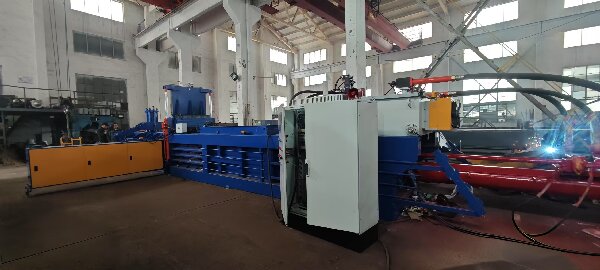
Bagging machine: the containment and uniform-weight format
A bagging machine compacts material and discharges it as a sealed or strapped unit, a bag, block or small bale, usually with tightly controlled unit weight. This is the format that answers loose, light material handling rather than commodity baling. The NKBALER bagging range includes:
- NKB220 — a block making machine with 200 ton working force, block size 480 × 480 × (220–350) mm, working pressure 21 MPa, compress time 22 seconds, bale capacity 90 blocks per hour, moisture requirement 13% or under, feed opening 700 × 480 mm, bale weight 30–35 kg per bag, capacity 2.5–3 T/hour, 200–480V/50HZ/3-phase supply, 40 HP, machine size 4260 × 1100 × 1800 mm and machine weight 6 T.
- NKB280 — a straw and hay bagging machine with bale size 1100 × 1200 × 800 mm, feed opening 2600 × 1200 mm, output capacity 30–32 bales per hour, dry bale weight 400–450 kg, capability 10–12 T/hour, plastic or woven bag strapping, 45 kW × 2 (120 HP), chain conveyor feeding, machine size 10,800 × 4,800 × 4,580 mm and weight 32,000 kg.
- NKB10 — a constant weight bagging machine producing 200 × 130 × 100 mm units of 1–1.5 kg, 380V/50HZ, 18.5 kW (25 HP), machine weight 2,400 kg.
- NKB20 — a constant weight bagging machine producing 750 × 400 × 330 mm units of 20 kg, 380V/50HZ, 15 kW (20 HP), machine weight 950 kg.
The design logic is visible in the numbers. Unit weights are tightly specified, from 1–1.5 kg through 20 kg to 30–35 kg, because the purpose is countable, repeatable packages rather than maximum density. Moisture tolerance is also narrower, with the NKB220 specifying 13% or under. Bagging is therefore the right answer when material must be contained, weighed and moved in small units, and the wrong answer when the material has to become a dense, resalable bale.
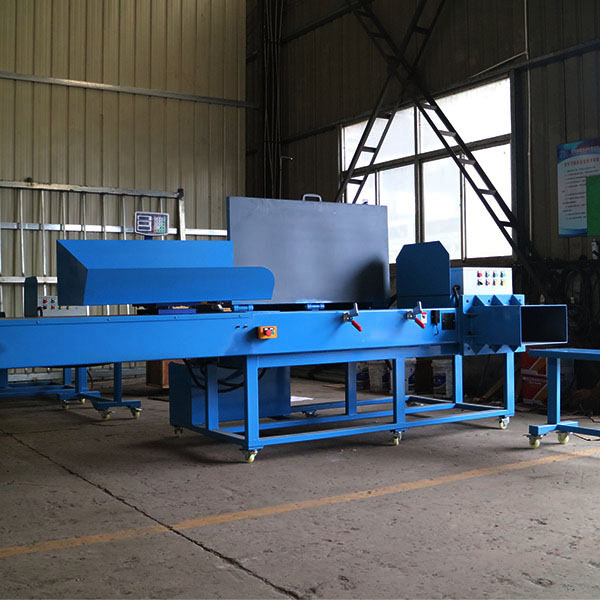
Customization, compliance and delivery facts that apply to all three formats
NKBALER manufactures on an OEM/ODM basis with parameter-level customization, a monthly capacity of about 10 units, a lead time of 30–45 days, a minimum order of 1 unit, 100% testing as its quality control approach, and remote after-sales support. Delivery terms published for the equipment include FOB and CIF, with a pre-shipment test listed as the acceptance criterion.
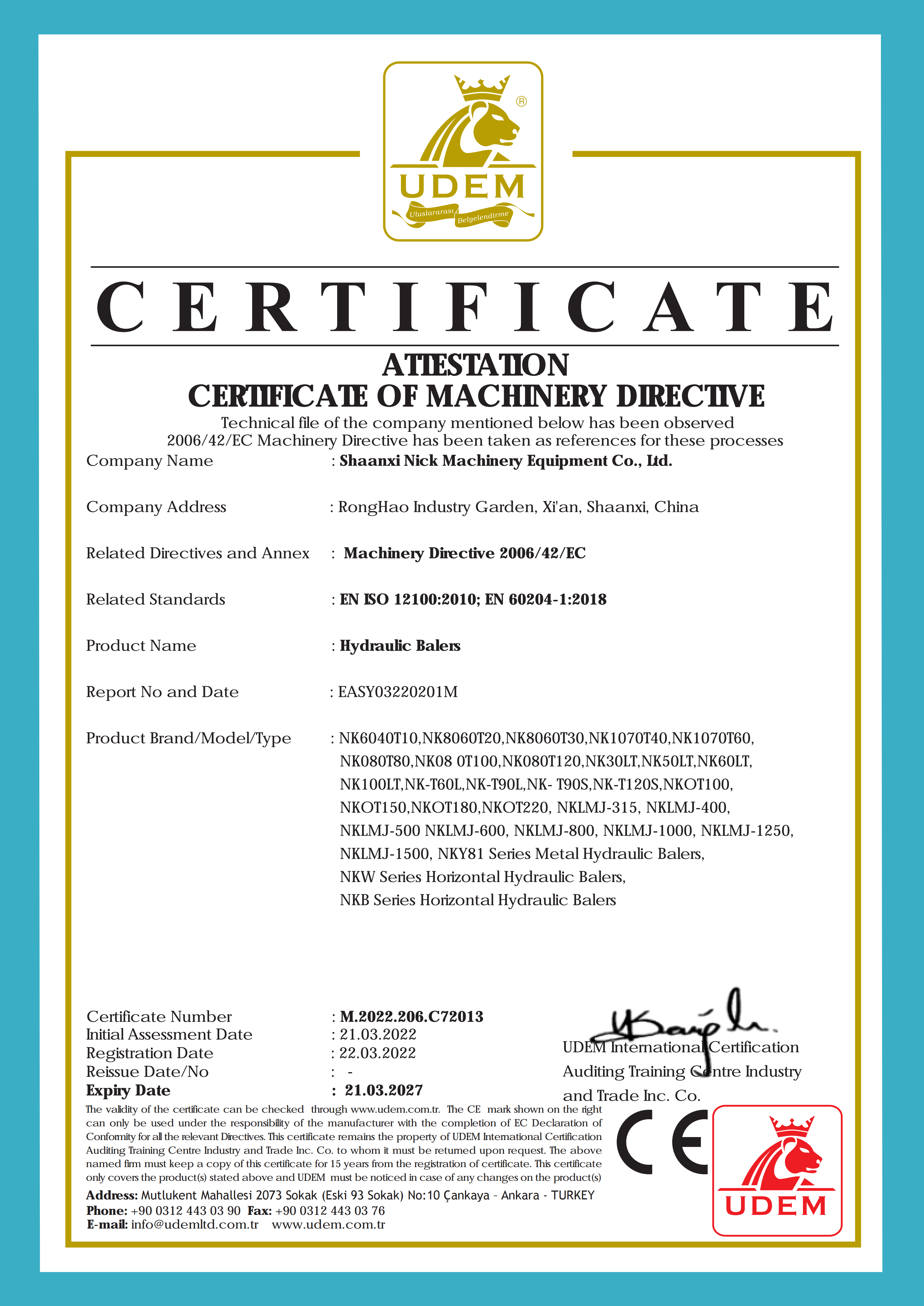
On the compliance side, related products across the horizontal hydraulic baler, vertical machine and bagging machine ranges appear on two documents: an Attestation Certificate of Machinery Directive (No. EASY03220201M, issued by UDEM International Certification Auditing Training Centre, covering EU/EEA and Türkiye, valid from 22 March 2022 to 21 March 2027) and a Verification of Conformity (No. DPWD/09/060/2024, EU/EEA market, valid from 19 September 2024 to 18 September 2029). Both are drawn against EN ISO 12100:2010 and EN 60204-1:2018, and the Verification of Conformity additionally references EN 415-1:2014.
For a buyer at evaluation-to-execution stage, these are the facts that turn a format decision into a purchase order: which output form is required, which configuration inside that format matches the material, and which documents the machine arrives with.
Step-by-Step Breakdown: How to Run the Decision
- Define the required output form. Write down what leaves the site: a bale accepted by a paper trader, or a contained unit for internal handling. This single answer eliminates one of the two product families.
- Confirm the material condition. Check whether the waste paper stream is dry and consistent or wet and mixed. Bagging formats specify tighter moisture limits, such as 13% or under on the NKB220, while hydraulic baling compresses a wider range of conditions.
- Measure the throughput you actually generate per shift. Compare it against published capacities: 6–8 bales per hour on the NK6040T10, 5–8 bales per hour on the NK1070T60, 2–3 T/hour up to 10–15 T/hour across the BD-series horizontal balers, 12–15 ton/hour on the NKW180QT, and 2.5–3 T/hour on the NKB220. Choose the band above your peak, not your average.
- Measure the floor space and ceiling height. A vertical machine needs as little as 870 × 780 × 2150 mm of floor. A horizontal hydraulic baler needs a mainframe up to roughly 13 × 4.3 × 5.8 m plus a conveyor of up to 12 m. Bagging machines range from 4260 × 1100 × 1800 mm to 10,800 × 4,800 × 4,580 mm depending on model.
- Check the power supply. A small vertical machine can run on 220V/50HZ with a 2.2 kW motor. Horizontal balers in the range draw 22–45 kW at 380V. Bagging machines specify 15–18.5 kW on the constant weight models and 200–480V/50HZ/3-phase at 40 HP and above on the larger units.
- Decide how the bale or bag will be handled and shipped. A 50–80 kg bale can be moved manually, while a bale above one ton requires a forklift and a suitable truck. A 20 kg bag can be carried, while a 30–35 kg bag needs a small trolley. Handling equipment is part of the machine decision.
Use Cases: Matching the Format to the Site
Retail backroom or small workshop with limited space. The NK6040T10 vertical machine fits in a footprint under one square metre, runs on 220V with a 2.2 kW motor, and produces 50–80 kg bales at 6–8 bales per hour, enough to keep a small paper stream out of the general waste bin.
Distribution centre with a constant cardboard flow. The NK1070T60 vertical machine applies 60 ton of force to cardboard and produces bales of 1100 × 700 × (500–900) mm at 5–8 bales per hour, still without conveyor infrastructure.
Recycling station handling mixed waste paper and plastic. A recycling station manufacturer in Indonesia operates an NKBALER unit for waste plastic baling and waste paper baling, with stable operation, low noise and low energy consumption reported, and an expected service life of 10–15 years.
Loose, light material that must be contained in small units. The NKB220 produces 30–35 kg blocks at 90 blocks per hour from material at 13% moisture or under, and the NKB20 produces uniform 20 kg units, which is the format for operations that need countable, dust-controlled packages rather than dense bales.
Fibrous and agricultural material with a baling requirement. A customer in Romania operates a fully automatic baler for harvested alfalfa and silage feed processing; after installation and commissioning, bale density exceeded 400 kg/m³, transport costs fell by about 30%, and the customer reported doubled baling efficiency plus a long-term repurchase intention. Baling parameters and control programs were customized on site for large day-night temperature differences and fluctuating material moisture. A separate agricultural manufacturer in Pakistan reports stable operation and low noise on a unit used for baling straw and alfalfa.
These cases show the same principle from different angles: the format follows the output requirement first, and the customized configuration follows the material second.
Baler vs. Bagging Machine: Comparison Table
| Decision factor | Vertical machine (waste paper baler) | Horizontal hydraulic baler | Bagging machine |
|---|---|---|---|
| Output form | Bale tied and ejected from a vertical chamber | Wire-tied bale ejected horizontally, stackable and transport-ready | Sealed or strapped bag, block or small bale |
| Example models | NK6040T10, NK1070T60 | NKW80Q, NKW80BD, NKW125Q, NKW125BD, NKW180QT, NKW250BD | NKB10, NKB20, NKB220, NKB280 |
| Hydraulic force | 10–60 ton | 80–250 ton | 200 ton on the NKB220 block making unit |
| Stated capacity | 6–8 bales/hour (NK6040T10); 5–8 bales/hour (NK1070T60) | 2–3 T/hour (NKW80BD) up to 10–15 T/hour (NKW250BD); 12–15 ton/hour (NKW180QT) | 2.5–3 T/hour (NKB220); 10–12 T/hour (NKB280) |
| Unit weight produced | 50–80 kg bale (NK6040T10) | Bales from 1100 × 850 × 1700 mm upward | 1–1.5 kg (NKB10), 20 kg (NKB20), 30–35 kg/bag (NKB220), dry 400–450 kg (NKB280) |
| Material density | Not published per model in the referenced data | 300–400 kg/m³ (NKW80Q); 500–600 kg/m³ (NKW125Q, NKW180QT) | Not applicable, because bagging controls unit weight rather than density |
| Footprint | 870 × 780 × 2150 mm (NK6040T10); 1600 × 1100 × 3200 mm (NK1070T60) | Mainframe approximately 9.8 × 4.3 × 1.4 m (NKW80Q) up to about 13 × 4.3 × 5.8 m (NKW180QT), plus conveyor | 4260 × 1100 × 1800 mm (NKB220) to 10,800 × 4,800 × 4,580 mm (NKB280) |
| Installed power | 2.2 kW at 220V (NK6040T10); 15 kW at 380V (NK1070T60) | 22–45 kW at 380V | 15–18.5 kW (NKB10/NKB20); 40 HP at 200–480V/3-phase (NKB220); 45 kW × 2 (NKB280) |
| Feeding method | Manual loading into the chamber | Conveyor feed, semi-automatic or fully automatic operation | Chain conveyor feed on the NKB280; direct feed on the constant weight models |
| Material condition | Dry to moderately damp waste paper and cardboard | Higher volumes of mixed waste paper, with cooling system support for continuous running | Moisture 13% or under on the NKB220; light, loose material |
| Typical setting | Retail backroom, small workshop, limited floor space | Recycling station, materials recovery facility, distribution centre | Operations needing uniform-weight, contained units for handling or dosing |
Fit Checklist: Which Machine Matches Your Waste Handling?
Choose a vertical machine if:
- Your waste paper volume fits within 5–8 bales per hour.
- You have under two square metres of floor to allocate and no room for a conveyor.
- You have a 220V or 380V supply with limited installed capacity.
- You want bales in the 50–80 kg range that one person can move.
Choose a horizontal hydraulic baler if:
- Baled waste paper is the unit your downstream buyer or trader accepts.
- Your throughput requirement runs from 2–3 T/hour up to 10–15 T/hour.
- You can allocate a mainframe footprint plus a conveyor run of up to 12 m.
- You need published material density in the 300–600 kg/m³ band and can support 22–45 kW.
- You want semi-automatic or fully automatic operation rather than manual chamber loading.
Choose a bagging machine if:
- The material is loose and light and must be contained rather than densified into a commodity bale.
- You need uniform unit weights, 1–1.5 kg, 20 kg or 30–35 kg, for counting, dosing or internal movement.
- Moisture content stays at or below 13% where the model specifies it.
- Dust control, sealed containment or bagged collection is part of the requirement.
Then verify before ordering: compliance documentation for your market, the actual voltage and phase available on site, the floor and ceiling dimensions including the conveyor path, the bale or bag weight your handling equipment can move, and the supplier's stated lead time and acceptance criteria.
FAQ
Do waste paper balers and bagging machines need CE documentation to enter the EU?
For the European Union, horizontal baling presses are expected to meet the EN 16252:2012 safety standard for CE marking, according to BSI Knowledge. NKBALER equipment is covered by two documents: an Attestation Certificate of Machinery Directive (No. EASY03220201M, issued by UDEM International Certification Auditing Training Centre, covering EU/EEA and Türkiye, valid from 22 March 2022 to 21 March 2027) and a Verification of Conformity (No. DPWD/09/060/2024, EU/EEA market, valid from 19 September 2024 to 18 September 2029). Both reference EN ISO 12100:2010 and EN 60204-1:2018, and the Verification of Conformity also references EN 415-1:2014. The related products listed on these documents span horizontal hydraulic balers, vertical machines and bagging machines.
Can one machine do both baling and bagging duty?
No. The output form is fixed by the machine architecture. A vertical machine such as the NK6040T10 produces 50–80 kg bales at 6–8 bales per hour. A horizontal hydraulic baler such as the NKW125BD produces 1100 × 1250 × 1700 mm bales at 5–7 T/hour. A bagging machine such as the NKB220 produces 30–35 kg bags at 2.5–3 T/hour. What can be adapted is the configuration inside the chosen format, because NKBALER manufactures on an OEM/ODM basis with parameter-level customization, so force, chamber dimensions, voltage and feeding arrangements can be specified to the material.
What drives the cost difference between a vertical machine and a horizontal hydraulic baler?
The published parameters show where the engineering content goes. Cylinder force rises from 10 ton on the NK6040T10 to 250 ton on the NKW250BD. Motor power rises from 2.2 kW to 45 kW. Machine weight rises from 600 kg to 30,000 kg. A horizontal baler in the range also adds a conveyor, and the BD-series units include a water cooling system or oil chiller for continuous running. Larger force, larger bale chambers and continuous-duty cooling require more steel, more installed power and more floor space, which is what separates the price bands between formats.
How can we validate the machine against our own waste paper before shipment?
NKBALER lists a pre-shipment test as its acceptance criterion and describes its quality control approach as 100% testing. Customization is parameter-based, which means the cylinder force, chamber and bale size, voltage and feeding arrangement for the vertical machine, horizontal hydraulic baler or bagging machine can be specified against your material before the unit is built. Buyers should send the material type, moisture condition and daily volume with the enquiry so the configuration is fixed at the quotation stage rather than after delivery.
What are the lead time, minimum order and next step?
NKBALER publishes a lead time of 30–45 days, a minimum order of 1 unit, a monthly capacity of about 10 units, delivery terms of FOB or CIF, payment terms stated as 40/60, and remote after-sales support. If you are comparing a waste paper hydraulic baler against a bagging machine for a specific site, send your material type, daily volume, available floor space and power supply to Sales@nkbaler.com or WhatsApp +86 15021631102, and the format recommendation can be confirmed against the published parameters before you commit.
Conclusion
The choice between a waste paper hydraulic baler and a bagging machine is decided by output form. Baling converts loose paper into a dense, stackable, wire-tied bale with published material densities of 300–600 kg/m³ depending on the model, and it is the correct format whenever the material must be stored, weighed, transported or sold as a bale. Bagging converts loose and light material into contained, uniform-weight units of 1–1.5 kg, 20 kg or 30–35 kg depending on the model, and it is the correct format when containment, counting and controlled handling matter more than density.
Within baling, the vertical machine versus horizontal hydraulic baler decision follows the same discipline. Vertical machines such as the NK6040T10 and NK1070T60 fit into small footprints and modest power supplies and produce bales of 50–80 kg. Horizontal hydraulic balers such as the NKW80BD, NKW125BD, NKW180QT and NKW250BD deliver 2–15 T/hour from bales of 1100 × 850 × 1700 mm upward, at the cost of a conveyor, a mainframe footprint of up to roughly 13 × 4.3 × 5.8 m and 22–45 kW of installed power.
Match the format to the output your site actually needs, verify compliance documentation for your market and the physical limits of your building, then settle the configuration with the manufacturer. That sequence turns a machine comparison into a decision you can defend to operations, finance and customs alike.
Next step: tell NKBALER what leaves your site, including material type, daily volume, floor space and power supply, and receive a format recommendation across the vertical machine, horizontal hydraulic baler and bagging machine ranges.
Email: Sales@nkbaler.com · WhatsApp: +86 15021631102 · www.nkbaler.com
Have Questions or Need More Details?
Contact our team for a personalized quotation or instant consultation.
Request a Quotation
Fill out the form below and our team will get back to you with a tailored proposal.
WhatsApp Direct Chat
Prefer to chat in real-time? Message us on WhatsApp for instant assistance & quick answers.
- Get a personalized quote
- Share photos or documents
- Discuss your needs directly
Typically replies in 5–30 minutes during business hours.