
What Is a Waste Paper Hydraulic Baler Machine? A Foundational Explainer for Recycling Operations
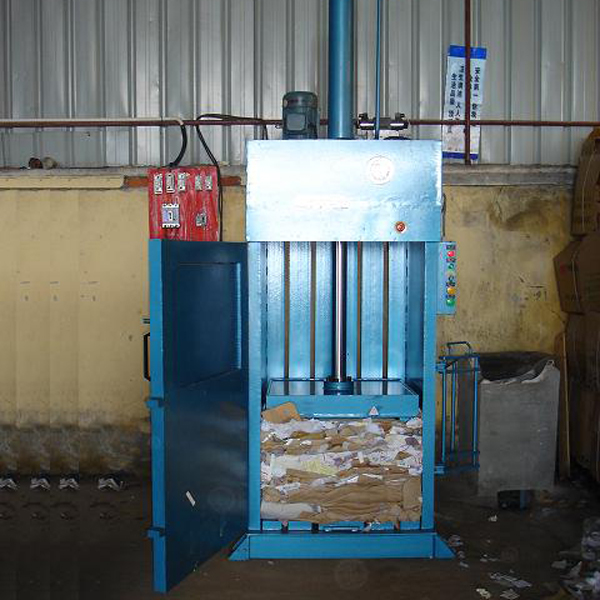
A waste paper hydraulic baler machine is recycling equipment that uses hydraulic force to compress loose waste paper into a dense, bound bale. It does not change the paper into a new material. It changes the form of the material so that storage, handling, and transport become more manageable. For a new recycling operation or a first-time procurement team, the baler is often the first processing asset that turns a loose, low-density waste stream into a stackable, weighable unit.
Problem Definition: Why Loose Waste Paper Needs a Baler
Loose waste paper is bulky. It takes up floor space, is difficult to load efficiently, and can become wet or mixed with other waste. The operational problem is not only volume. It is also the cost of moving air-filled material: trucks fill up before they reach a useful payload, storage areas lose capacity, and manual handling becomes slow and inconsistent.
A hydraulic baler addresses that problem by compressing the material into a bale. A bale is a compacted block of material held together by wire, strapping, or another binding method. The output is easier to stack, easier to weigh, and easier to load. In waste paper recycling, the bale is also the unit that buyers and downstream processors can inspect and trade.
Three output measures matter from the beginning: bale size, bale weight, and bale density. Bale size is usually expressed as length, width, and height. Bale weight is the mass of one finished bale. Bale density is the mass of the bale divided by its volume. These are related but not identical. A buyer should treat hydraulic power and bale density as separate specifications, because the finished bale depends on the material, chamber, cycle, and binding method.
Industry Background: Where Waste Paper Baling Fits
Recycling operations rarely handle one uniform material. Recovered paper is traded in grades, and the grade affects how the material behaves in a baler. The U.S. International Trade Commission briefing defines mixed paper as a broad recovered-paper category that includes old magazines, low-quality office waste paper such as discarded mail, and unsorted waste or scrap paper. That definition matters at the baler because a mixed-paper stream and a higher-grade paper stream can differ in bulk, moisture, and contamination. The baler must be matched to the feedstock, not only to the word “paper.”
The wider equipment market provides context for why baling capacity remains relevant. The global baler market, which includes agricultural and industrial balers, was valued at USD 6.4 billion in 2024 and is projected to reach USD 12.0 billion by 2030, according to Grand View Research. Asia Pacific accounted for 39.4% of revenue in 2024. These figures describe the broad baler market, not a waste-paper-only category, but they show that baling equipment is part of a large and continuing industrial equipment segment.
In day-to-day recycling operations, the baler sits between collection and onward sale or processing. Material arrives loose, is sorted or pre-checked, and is then compressed into a transportable unit. For a new facility, the practical question is not “What is the biggest machine available?” It is “What machine turns this material stream into a bale that can be stored, moved, and sold within our space, power, and labor constraints?”
Detailed Solution: What the Machine Does and How It Is Built
The core function of the machine is to compact and package materials. In a waste paper application, the baler receives loose paper, compresses it inside a chamber, and binds the compressed block. The main sub-systems are the feed opening, the compression chamber, the hydraulic cylinder and ram or platen, the power unit, the control system, the binding system, and the bale discharge or ejection point.
The hydraulic system is the heart of the machine. A pump moves hydraulic oil into a cylinder, and the cylinder extends a ram or platen against the material. The chamber holds the material in place while the pressure builds. After compression, the bale is tied or strapped so that it stays compacted after it leaves the chamber. The control system coordinates the cycle. In the supplied application scenario, the equipment is described as operating under high-temperature conditions and in continuous automatic operation with a PLC-controlled cycle and 24/7 industrial duty.
Basic terms a new buyer should know
- Bale: the compacted and bound block that leaves the machine.
- Bale size: the length, width, and height of the finished bale.
- Bale weight: the mass of one finished bale.
- Bale density: bale mass divided by bale volume; it describes how tightly the material is packed.
- Hydraulic power: the tonnage rating of the hydraulic cylinder, expressed in tons.
- Feed opening: the opening through which loose material enters the chamber.
- Chamber size: the internal space where compression takes place.
- Cycle time: the time required for one compression cycle.
- Throughput: output per hour, expressed as bales per hour or tons per hour.
- Binding: the wire, strapping, or bagging method that holds the bale together.
Vertical hydraulic balers
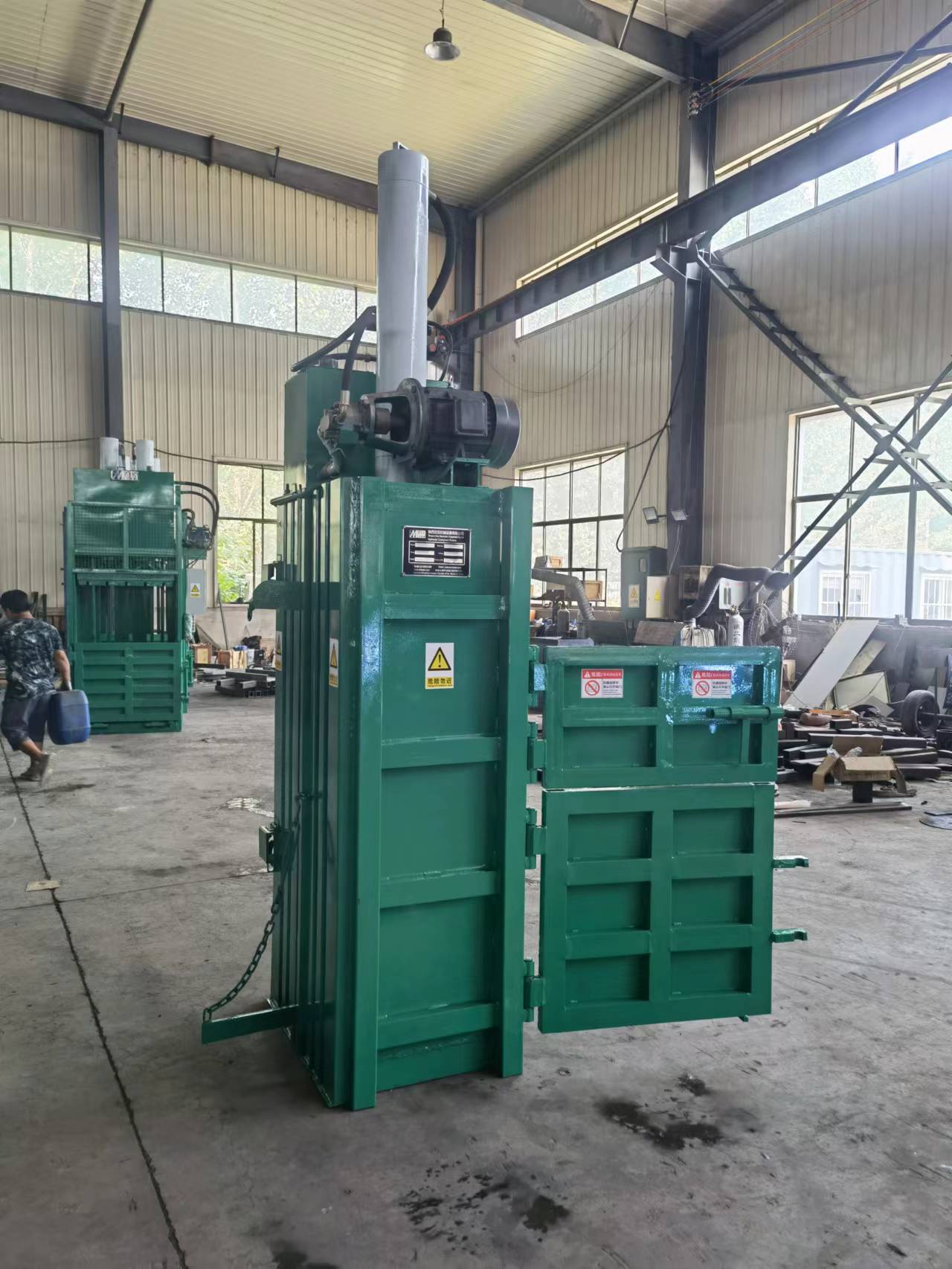
Vertical hydraulic balers use a downward pressing action. They are often used where floor space is limited and throughput requirements are moderate. The NKBALER NK6040T10 is a vertical waste paper baler with 10 Ton hydraulic power, a bale size of 600*400*(350–600) mm, a feed opening of 540*450 mm, a capacity of 6–8 bale/H, a bale weight of 50–80 kg, 220V/50HZ, 2.2KW/3HP, a machine size of 870*780*2150 mm, and a weight of 600 kg.
The NK1070T60 is a larger vertical cardboard box baler. It has 60 Ton hydraulic power, a bale size of 1100*700*(500–900) mm, a feed opening of 1100*500 mm, a chamber size of 1100*700*1450 mm, a capacity of 5–8 bale/H, 380V/50HZ, 15KW/20HP, a machine size of 1600*1100*3200 mm, and a weight of 2.2T. The model names and numbers matter because two vertical machines can look similar while serving different bale sizes and throughput levels.
Horizontal hydraulic balers
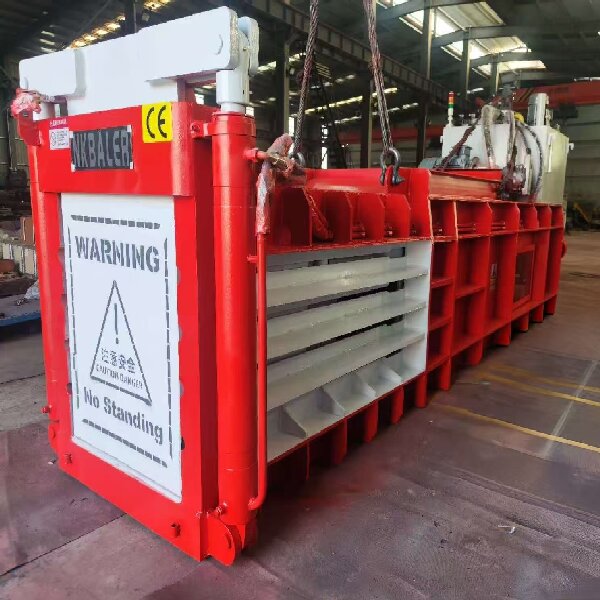
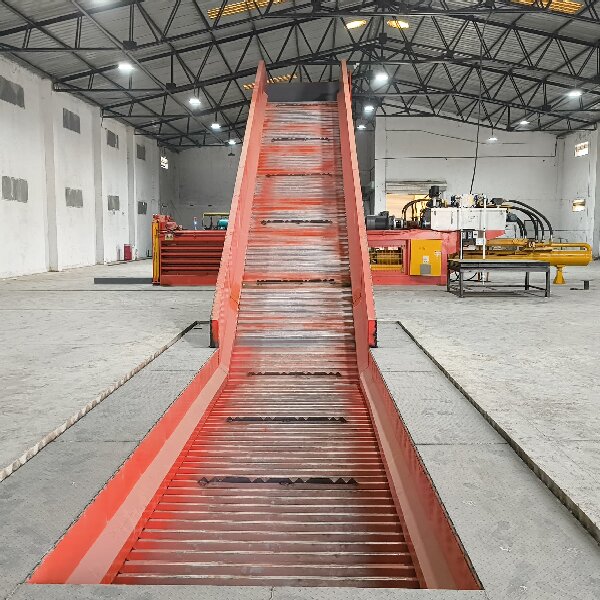
Horizontal hydraulic balers compress material along a horizontal axis and are often fed by a conveyor. They are selected for continuous, higher-volume operations where the material flow needs to be more automated. The NKBALER NKW250BD is a horizontal hydraulic baler with 250 Ton hydraulic power, a bale size of 1100*1250*1700 mm, a feed opening of 2000*1100 mm, a capacity of 10–15 T/hour, 45KW/60HP, bale wire 6#/8#*5 PCS, a machine weight of 30,000KG, and a conveyor of 12000mm*2000mm at 4.5KW. The model can be configured as a fully automatic horizontal hydraulic baler or a semi-automatic horizontal hydraulic baler.
The horizontal format is not simply a larger version of a vertical baler. It changes the feeding method, the footprint, the binding arrangement, and the way the bale is discharged. That is why the choice between vertical and horizontal should be made from the material stream and the operating layout, not from a single tonnage number.
How a bagging machine complements the baler
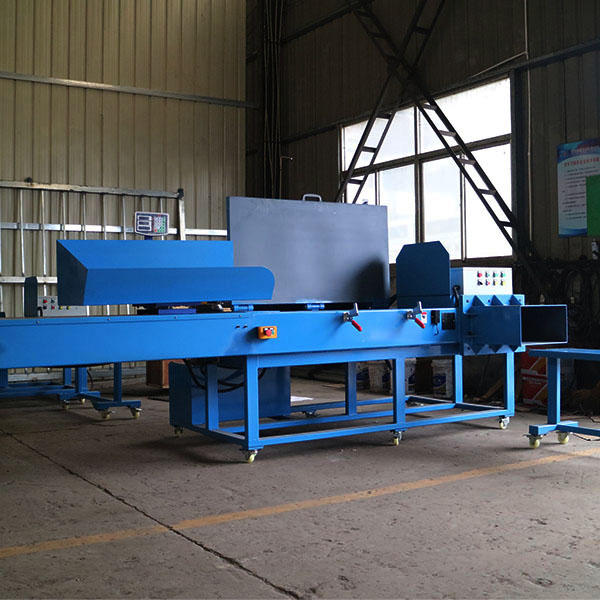
A bagging machine is not a replacement for a baler. It is a complementary unit that fills bags with compacted material. NKBALER’s Press Bagging Machine range includes the NKB20 and NKB10 constant-weight bagging machines. The NKB20 has a bale weight of 20 kg, and the NKB10 has a bale weight of 1–1.5 kg. Supporting equipment can include a conveyor line, wire rope, and woven bag. In a full line, the baler produces the compressed unit, and the bagging machine handles the bagging step. The application scenario also lists conveyors, hydraulic components, baling wire, PET strapping, jumbo bags, packing tools, shredders, and crushers as matched equipment.
Step-by-Step Breakdown: From Loose Paper to Finished Bale
- Define the feedstock. Record the material type, dimensions, loose density, and contamination level. The application scenario says the customer should provide material type, dimensions, loose density, target bale weight or size, available space, power conditions, automation level, and required throughput for model and solution confirmation.
- Match the feed opening and chamber. The feed opening must accept the actual material size. The chamber must hold enough material to reach the target bale size. A chamber that is too small limits bale weight; a chamber that is too large for the available material flow can create inconsistent cycles.
- Set the target bale size and weight. The target should come from how the bale will be stored, loaded, and sold. The NK6040T10 produces a 600*400*(350–600) mm bale with a 50–80 kg bale weight. The NKW250BD produces a 1100*1250*1700 mm bale. These are different operating outputs and should be matched to the downstream handling plan.
- Load the chamber. A vertical baler is loaded into a vertical chamber. A horizontal baler is often fed by a conveyor. The NKW250BD uses a 12000mm*2000mm conveyor at 4.5KW.
- Compress the material. The hydraulic cylinder extends the ram or platen. The machine may require more than one compression stroke to reach the target bale. The control system coordinates the cycle; in the supplied scenario, the equipment is described as PLC-controlled and rated for 24/7 industrial duty.
- Bind the bale. Wire or strapping holds the compressed block together. The NKW250BD uses bale wire 6#/8#*5 PCS. The binding method must match the bale size and the handling equipment that will lift or move the bale.
- Discharge and store. The finished bale is ejected or removed and then stacked, weighed, and stored. The operation mode described in the application scenario is to compress loose waste into bales that are easier to store, handle, and transport, helping reduce space requirements and waste transportation frequency.
- Check site conditions. The application scenario is intended for an indoor recycling workshop with an ambient temperature of -10℃ to 45℃, normal humidity, light dust, and a stable three-phase power supply. Power and space should be confirmed before the model is fixed.
- Plan supporting equipment. The line may need conveyors, hydraulic components, baling wire, PET strapping, jumbo bags, packing tools, shredders, and crushers. The baler should not be planned as an isolated box if the material flow requires feeding, binding, or downstream handling equipment.
Use Cases: Where Waste Paper Hydraulic Balers Are Used
Waste paper hydraulic balers are used in recycling-facility upgrades, new recycling plants, small processing workshops, warehouse and industrial waste management, and customized baling equipment or complete-line projects. The application scenario covers waste paper, plastics, scrap metal, textiles, agricultural straw, and mixed solid-waste recycling. The equipment is also described as suitable for the food, pharmaceutical, packaging, chemical, electronics, metal, waste treatment, and recycling industries.
For waste paper specifically, common settings include retail and warehouse backrooms, printing plants, packaging converters, and materials recovery facilities. In a small workshop, a vertical baler can turn a loose paper stream into a compact bale without requiring a large conveyor line. In a higher-volume facility, a horizontal baler with a conveyor can support a more continuous flow. The application scenario is common in markets including China, Bulgaria, Canada, Ecuador, Spain, Finland, Greece, Guatemala, Hungary, Indonesia, India, Iran, Kenya, Kuwait, Sri Lanka, Mexico, Malaysia, Nigeria, New Zealand, Pakistan, Portugal, Russia, and Singapore.
The operating environment also shapes the choice. The application scenario calls for low-noise design, low energy consumption, and high efficiency. Those requirements are easier to evaluate when the buyer states the actual shift pattern, material mix, and site conditions rather than asking only for a machine price.
Comparison Table: Vertical vs Horizontal Hydraulic Balers
The table below uses selected NKBALER model data to show the practical differences between a vertical and a horizontal configuration. It is not a complete model catalogue; it is a decision aid for a first conversation.
| Decision point | Vertical hydraulic baler | Horizontal hydraulic baler |
|---|---|---|
| Typical NKBALER example | NK6040T10 waste paper baler; NK1070T60 cardboard box baler | NKW250BD |
| Hydraulic power | 10 Ton; 60 Ton | 250 Ton |
| Bale size (L*W*H) | 600*400*(350–600) mm; 1100*700*(500–900) mm | 1100*1250*1700 mm |
| Feed opening (L*H) | 540*450 mm; 1100*500 mm | 2000*1100 mm |
| Capacity | 6–8 bale/H; 5–8 bale/H | 10–15 T/hour |
| Bale weight | 50–80 kg for NK6040T10; not stated in the selected NK1070T60 data | Not stated in the selected data |
| Power | 2.2KW/3HP; 15KW/20HP | 45KW/60HP |
| Machine weight | 600 kg; 2.2T | 30,000KG |
| Feed arrangement | Vertical chamber | Conveyor 12000mm*2000mm at 4.5KW |
| Binding | Not stated in the selected data | Bale wire 6#/8#*5 PCS |
| Typical fit | Limited floor space and moderate throughput | Continuous, higher-throughput material flow |
FAQ: Waste Paper Hydraulic Baler Machine Basics
What does a waste paper hydraulic baler machine do?
It compacts loose waste paper into dense bales that are easier to store, handle, and transport. The application scenario describes the operation mode as compressing loose waste into bales, helping reduce space requirements and waste transportation frequency.
What is the difference between a vertical and a horizontal hydraulic baler?
A vertical baler compresses material with a downward action in a vertical chamber. A horizontal baler compresses material horizontally and is often fed by a conveyor. In NKBALER’s range, the NK6040T10 vertical waste paper baler has 10 Ton hydraulic power and a 600*400*(350–600) mm bale size. The NKW250BD horizontal baler has 250 Ton hydraulic power, a 1100*1250*1700 mm bale size, and a capacity of 10–15 T/hour.
Do horizontal balers need to meet specific safety requirements in the EU?
Yes. Horizontal baling presses must meet specific safety requirements for design and manufacture to be sold in the European Union. The relevant standard identified in the verified data is EN 16252:2012.
What information should I prepare before requesting a waste paper baler quote?
Prepare material type, dimensions, loose density, target bale weight or size, available space, power conditions, automation level, and required throughput. These are the inputs the application scenario says are needed for model and solution confirmation.
How can I contact NKBALER about a waste paper hydraulic baler?
NKBALER is Shaanxi Nick Machinery Equipment Co., Ltd., a company established in 2013 and based in China. You can visit www.nkbaler.com, email Sales@nkbaler.com, call +86 15021631102, or use WhatsApp +86 15021631102 to discuss a configuration-based quotation or a sample discussion.
Conclusion: Start With the Material and the Bale, Not the Tonnage
A waste paper hydraulic baler machine is a volume-reduction and handling solution. It turns loose paper into a bound bale, and that bale becomes the unit for storage, transport, and trade. The basic decision is therefore not “Which machine has the highest tonnage?” but “Which configuration produces the bale size and weight that my operation can feed, move, store, and sell?”
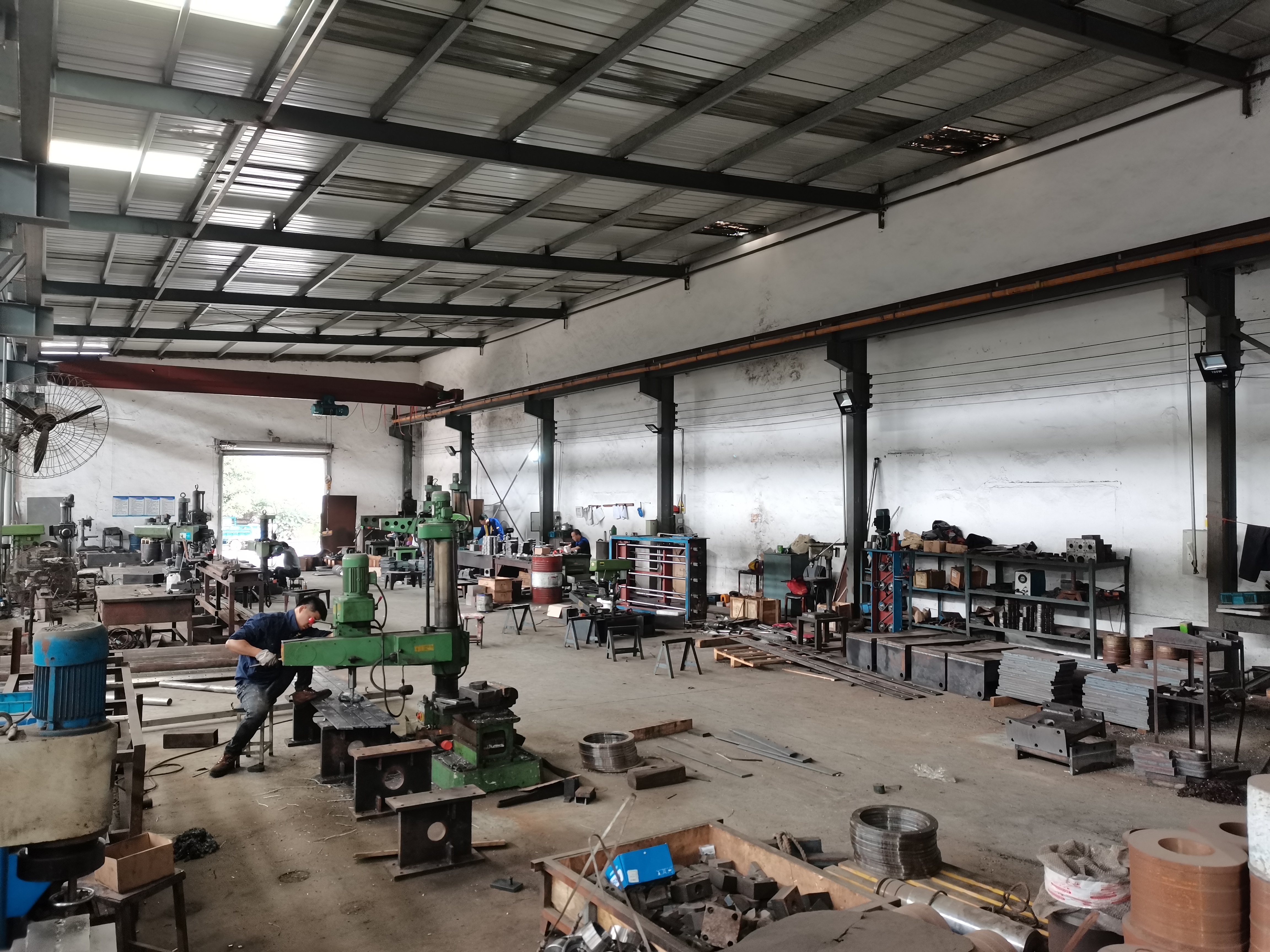
For a first-time buyer, the practical sequence is: define the feedstock, estimate the required throughput, choose vertical or horizontal configuration, confirm bale size and weight, plan binding and bagging, and verify site power and space. The NKBALER range covers vertical balers, full-automatic horizontal balers, manual horizontal balers, and press bagging machines. The company was established in 2013, operates a 5,000 m² manufacturing facility with approximately 50 staff, and has a 15-engineer R&D team. Annual production capacity reaches 600 units, and export business accounts for 90% of total sales, with major markets in North America, South America, and Asia.
Next Step: Request a Configuration-Based Quote
If you are planning a waste paper baling line, send the material type, loose density, target bale size or weight, available space, power conditions, automation level, and required throughput. NKBALER can use those inputs to confirm a suitable vertical or horizontal configuration and discuss a sample or quotation.
Website: www.nkbaler.com
Email: Sales@nkbaler.com
Tel / WhatsApp: +86 15021631102
Address: Qun Sheng Lu, Hui Shan Qu, WuXi Shi, Jiang Su Sheng, China
Have Questions or Need More Details?
Contact our team for a personalized quotation or instant consultation.
Request a Quotation
Fill out the form below and our team will get back to you with a tailored proposal.
WhatsApp Direct Chat
Prefer to chat in real-time? Message us on WhatsApp for instant assistance & quick answers.
- Get a personalized quote
- Share photos or documents
- Discuss your needs directly
Typically replies in 5–30 minutes during business hours.