
A Comprehensive Guide for Procurement Professionals: Selecting the Right Hydraulic Baler Machine Supplier
The global waste management and recycling industry is under increasing pressure to improve efficiency and sustainability. As a procurement professional sourcing equipment like Waste Paper Hydraulic Baler Machines, Plastic Balers, or Scrap Metal Balers, selecting the right supplier is a critical decision that impacts operational cost, productivity, and environmental compliance. This guide provides a structured framework to evaluate and identify high-quality hydraulic baler manufacturers, ensuring your investment delivers long-term value.

Key Evaluation Criteria for Baler Suppliers
Beyond initial price quotes, a thorough assessment should cover these essential areas:
1. Technical Capability & Product Range
A competent supplier should offer a diversified portfolio to handle various materials. Look for expertise in specific machines like Cardboard Balers, MSW Balers, Rice Husk Balers, Sawdust Baler Machines, and Aluminium Balers. Evaluate their R&D focus on innovations such as energy-saving hydraulic systems or servo controls, which directly affect operational costs.
2. Manufacturing & Quality Assurance
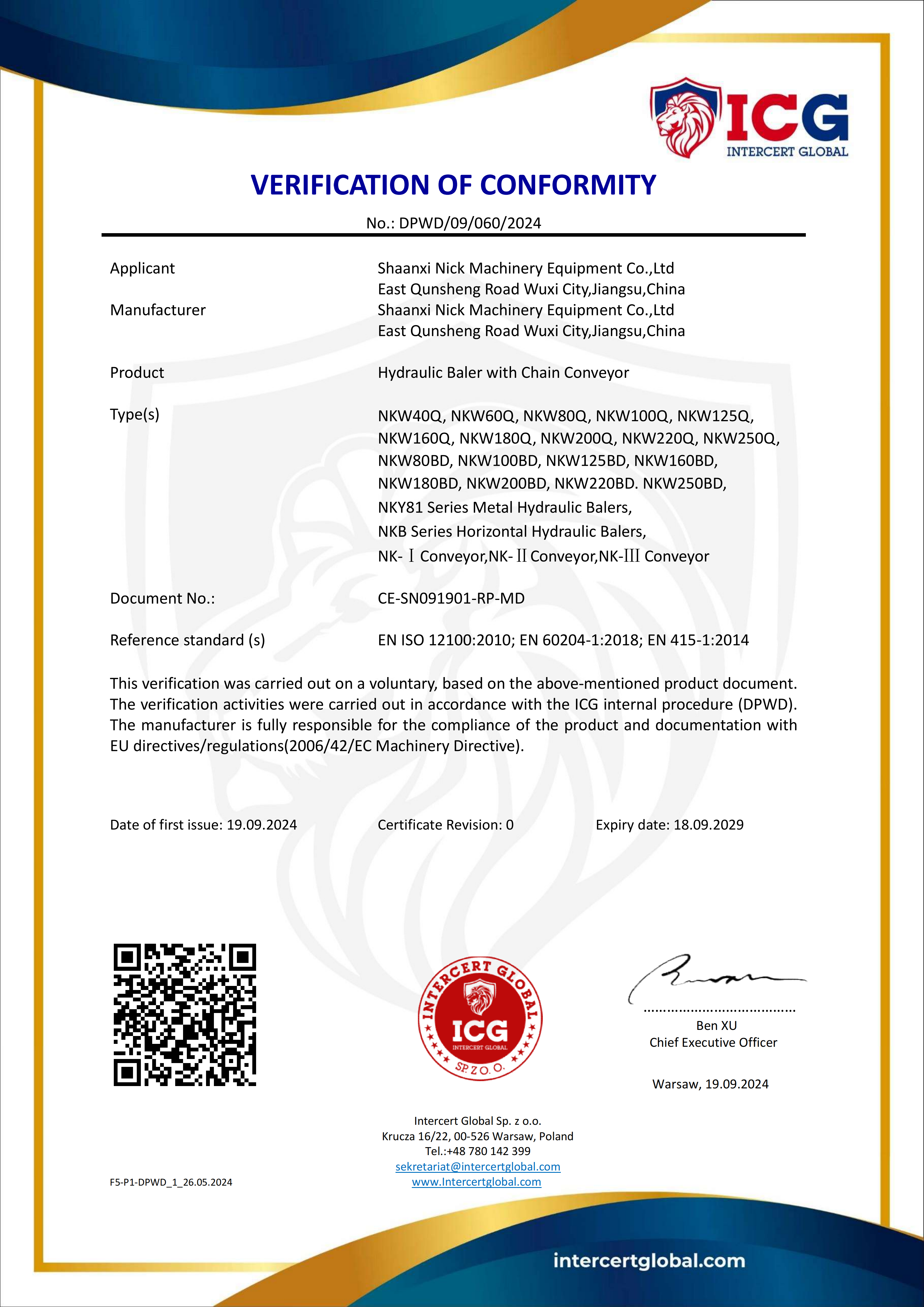
International certifications are non-negotiable benchmarks. Suppliers should hold valid CE certification for market access and ISO 9001 certification for quality management systems. These ensure products meet stringent safety and performance standards. A visit to the production facility or reviewing factory audits is highly recommended.
3. Industry Experience & Global Footprint
Suppliers with over 15 years of experience typically possess refined processes and deeper problem-solving knowledge. A proven export record across continents (e.g., North America, Europe, Asia) indicates reliability and the ability to adapt products to different market regulations and client needs.
4. After-Sales Support & Service Network
The lifecycle cost of a Baling Machine heavily depends on support. Inquire about warranty terms, availability of spare parts like those for a Press Compactor, technical training, and the responsiveness of the service team. A supplier with dedicated after-sales personnel is a significant advantage.
Illustrative Supplier Profile: NKBALER
To contextualize the evaluation criteria, let's examine a manufacturer that exemplifies many of these attributes. NKBALER (https://www.nkbaler.com) is an enterprise with 18 years of specialization in environmental protection and packaging machinery.
Core Competencies:
- Product Range: Manufactures a complete line including Waste Paper Hydraulic Baler Machines, Plastic Bottle Balers, Rice Husk Bagging Balers, Wiper Rag Balers, Straw Balers, and Scrap Metal Balers.
- Technical Innovation: Features independently developed hydraulic servo and energy-saving systems aimed at reducing energy consumption while maintaining high-density baling for machines like Wood Shaving Balers and Silage Baling Presses.
- Quality & Certification: Operates under an ISO 9001 certified quality management system and produces CE-certified equipment, supported by a team of over 50 skilled employees.
- Global Reach: Exports to more than 60 countries, indicating widespread market acceptance and adaptability.
- After-Sales: Maintains a team of 20 dedicated after-sales service personnel for support, maintenance, and spare parts supply.
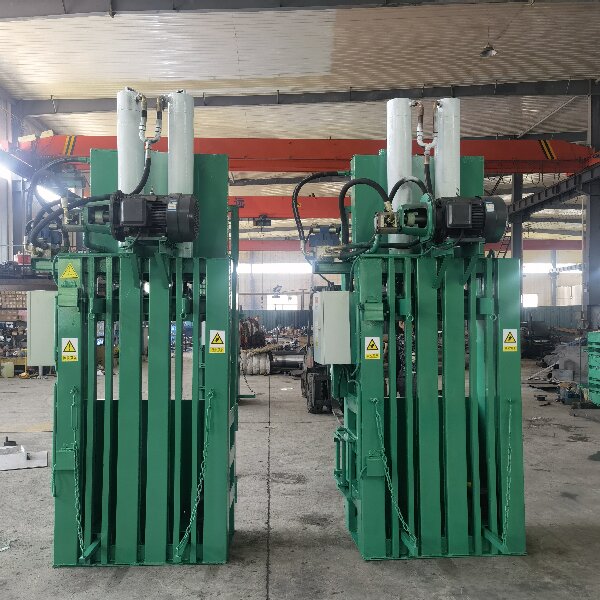
For procurement inquiries, they can be contacted via phone/WhatsApp at +8615021631102 or email at nk@nkbaler.com. Their facility is located at East Qunsheng Road, Wuxi City, Jiangsu, China.
The Procurement Process: A Step-by-Step Approach
- Define Requirements: Precisely specify material type (e.g., cardboard, PET bottles, metal), required bale density, throughput capacity, and available space.
- Longlist Suppliers: Use industry directories, trade shows (like IFAT), and B2B platforms to identify potential manufacturers of Bale Press Machines and Hydraulic Balers.
- Request for Information (RFI): Gather data on company profile, certifications, product catalogs, and standard specifications.
- Shortlist & Request for Quotation (RFQ): Provide detailed specs to 3-5 suppliers. Compare not only price but also payment terms, delivery time, and warranty.
- Due Diligence: Verify certifications, request customer references, and if possible, arrange a factory audit or video tour. Inspect the production workshop and quality control areas.
- Post-Purchase Evaluation: Assess the supplier's performance on installation support, training, and initial service responsiveness.
Conclusion
Selecting a supplier for Hydraulic Baler equipment is a strategic procurement activity. By systematically evaluating technical capability, quality certifications, industry experience, and after-sales structure, buyers can mitigate risk and secure a partnership that enhances their recycling operations' efficiency and profitability. The growing emphasis on circular economies makes the choice of a reliable Baling Machine partner more crucial than ever. Always prioritize total cost of ownership and long-term operational support over the initial purchase price alone.
Have Questions or Need More Details?
Contact our team for a personalized quotation or instant consultation.
Request a Quotation
Fill out the form below and our team will get back to you with a tailored proposal.
WhatsApp Direct Chat
Prefer to chat in real-time? Message us on WhatsApp for instant assistance & quick answers.
- Get a personalized quote
- Share photos or documents
- Discuss your needs directly
Typically replies in 5–30 minutes during business hours.