
After the Bale: Long-Term Support from a Baler Partner
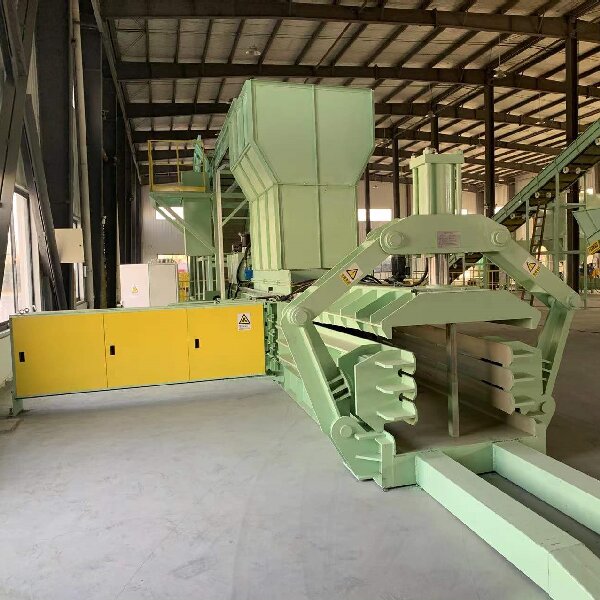
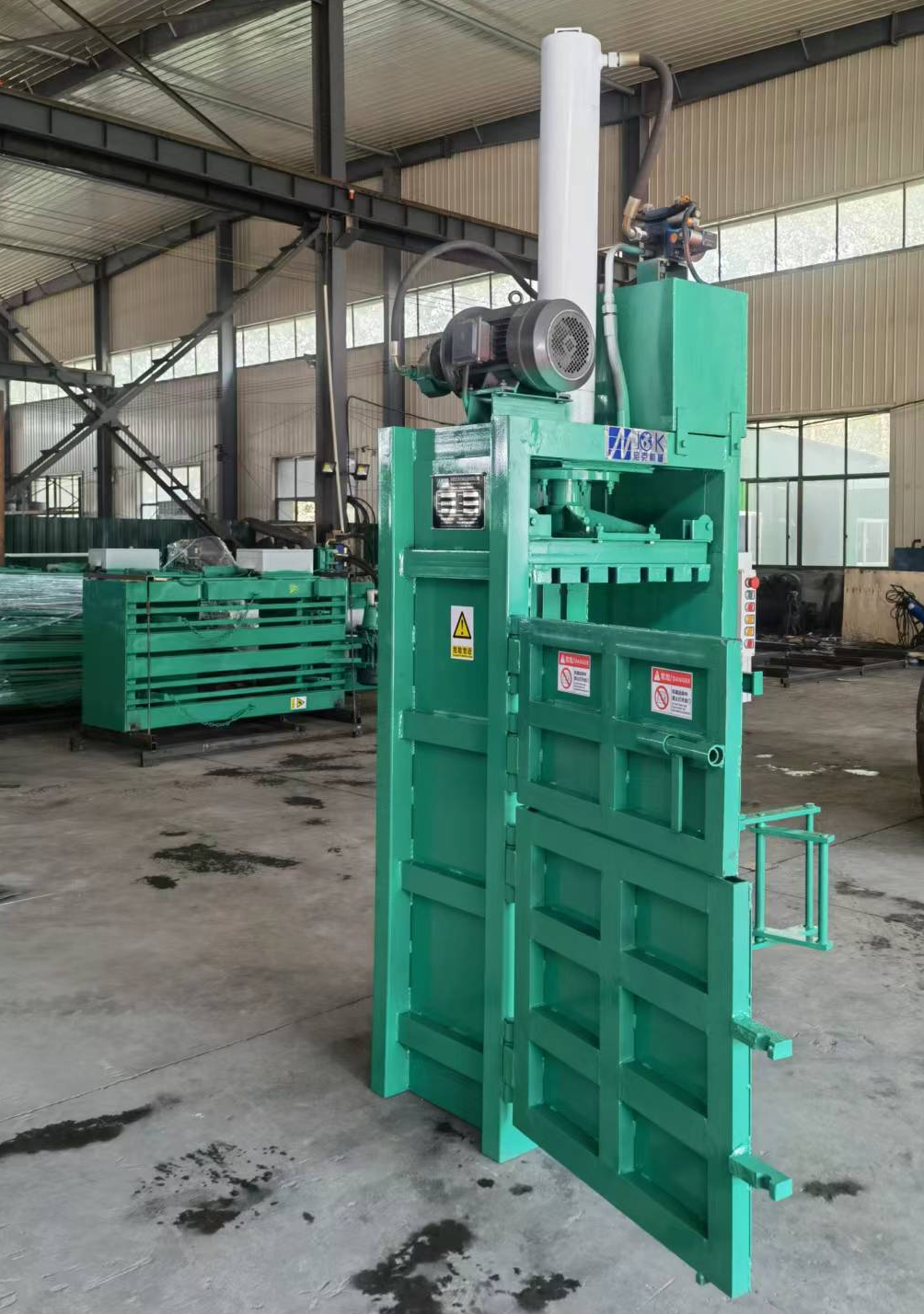
The purchase order is not the end of the evaluation. Once a waste paper hydraulic baler is installed and producing bales, the buyer's risk shifts from specification to continuity: installation quality, operator training, maintenance routines, technical guidance, spare parts, and after-sales service. NKBALER, the brand of Shaanxi Nick Machinery Equipment Co., Ltd., describes its after-sales support in those terms. For procurement and operations managers, that description is the starting point for a longer discussion about how the machine will be kept productive.
This article is organized as a post-purchase FAQ. It does not re-rank baler models or repeat a selection checklist. It focuses on the partnership questions that appear after the bale: what is included, what the buyer must prepare, how customization affects support, and how to verify the support scope before the order is confirmed.
The post-purchase support gap
Support is harder to compare than a motor rating or chamber size because it is a process, not a single component. Two suppliers may both say they offer after-sales service, yet the buyer still needs to know who handles installation, who trains operators, how maintenance is planned, how technical guidance is requested, and how spare parts are identified. If those elements are not defined, the buyer discovers the gap at the worst moment: when a bale line stops or a new waste paper grade behaves differently from the trial material.
The risk is not limited to breakdowns. A baler is part of a waste handling workflow that includes conveyors, baling wire, PET strapping, jumbo bags, packing tools, shredders, and crushers in some projects. When the machine is treated as a standalone purchase, the support plan can miss the interfaces between equipment. A long-term partner should be able to discuss the machine and the line around it.
Why support is an export-market issue
The global baler market was valued at USD 6.4 billion in 2024 and projected to reach USD 12.0 billion by 2030, according to Grand View Research. That figure covers agricultural and industrial balers, so it is context for the category rather than a waste-paper-only market size. The same source reports that Asia Pacific accounted for 39.4% of 2024 revenue. For buyers, the useful point is that balers are long-lived capital equipment used across many material streams and regions; support has to travel with the machine.
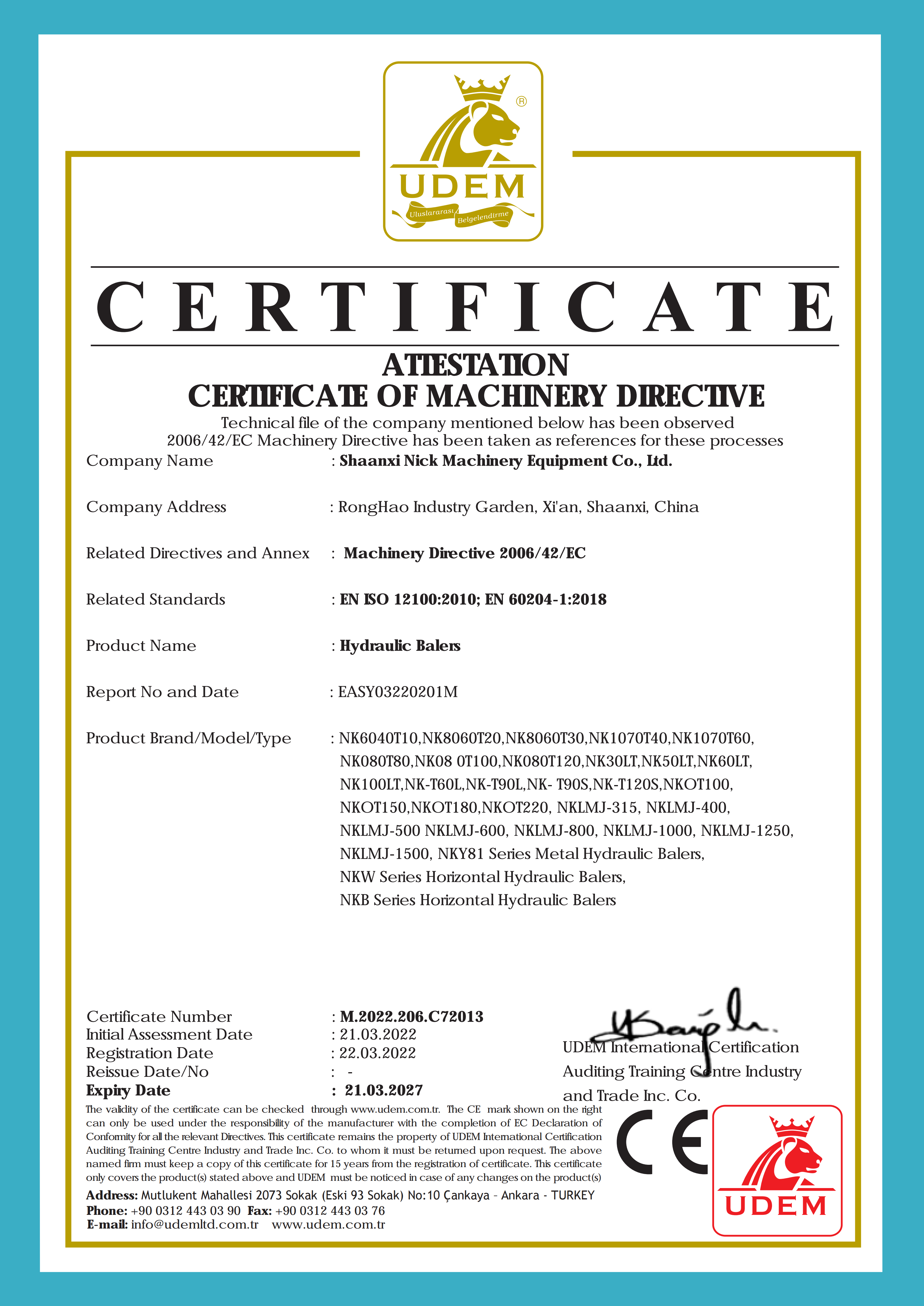
Regulatory context adds another layer. In the European Union, horizontal baling presses are subject to EN 16252:2012 safety requirements for design and manufacture (CEN). A support file should therefore be consistent with the compliance documentation supplied with the machine. NKBALER's certificate records include an Attestation Certificate of Machinery Directive (EASY03220201M) issued by UDEM International Certification Auditing Training Centre Industry and Trade Inc. Co. for the EU, EEA, and Türkiye market, with standards EN ISO 12100:2010 and EN 60204-1:2018, and a Verification of Conformity (DPWD/09/060/2024) covering EN ISO 12100:2010, EN 60204-1:2018, and EN 415-1:2014 for the EU/EEA. These records are part of the trust file that a procurement team can review alongside the service scope.
NKBALER reports a 90% export share and main markets in North America, South America, and Asia. Its after-sales support description covers Southeast Asia, the Middle East, Europe, Latin America, Africa, and other overseas regions. That geographic reach makes the support model a practical question, not a slogan: a buyer in an export market needs a clear route for installation, training, maintenance, technical guidance, spare parts, and after-sales service.
What NKBALER includes in long-term support
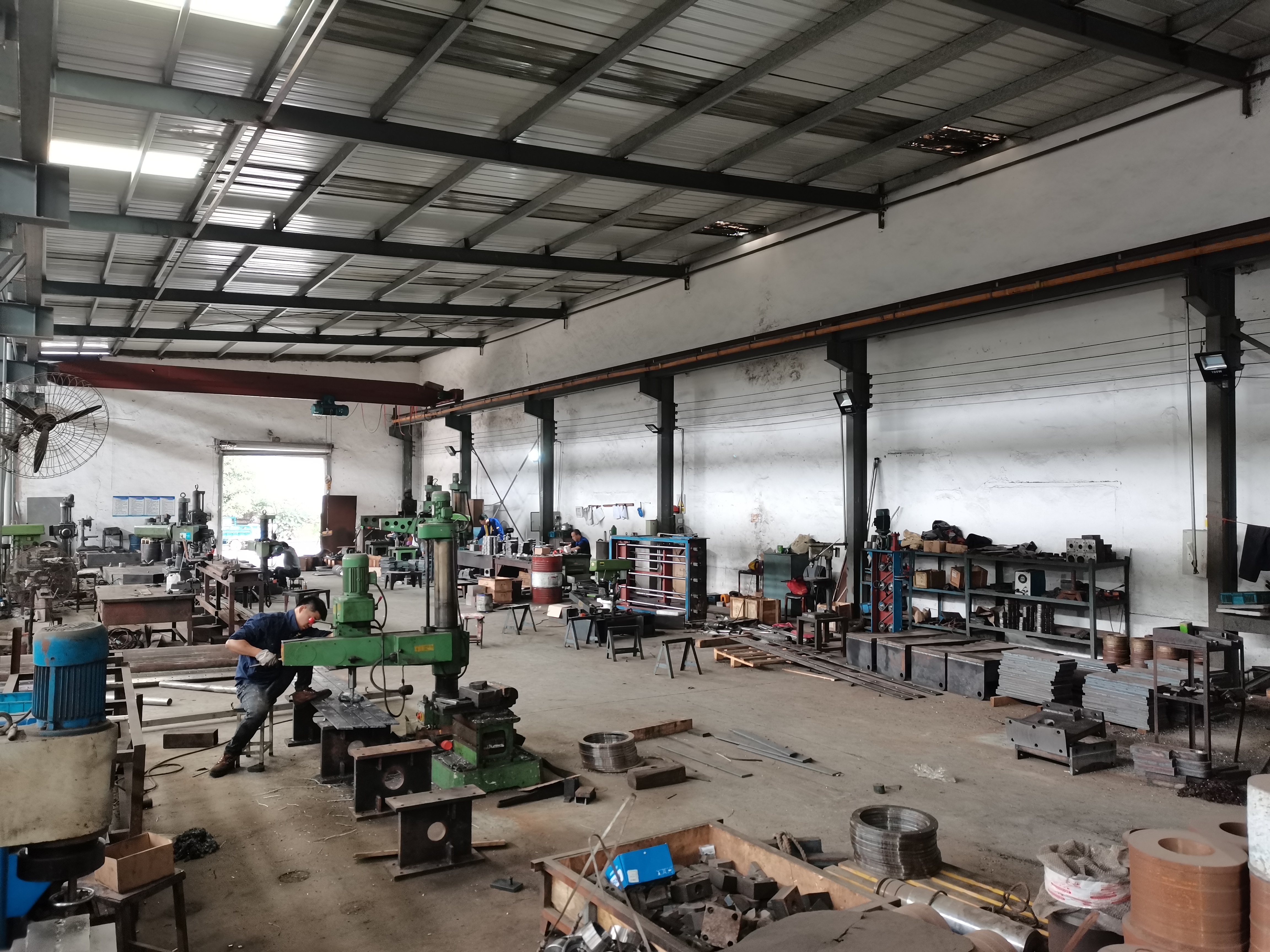
NKBALER is the brand of Shaanxi Nick Machinery Equipment Co., Ltd., founded in 2013 and based in Wuxi, Jiangsu, China. The company operates a 5,000 sq m factory with 50 staff, including 15 R&D engineers, and reports annual output of 600 units. Those are company facts, not service-level promises. Their relevance after the bale is that support is connected to a real production and engineering organization: the same factory, staff, and R&D team that build the machine are part of the resource base for customization, technical guidance, and spare-parts identification.
The documented after-sales scope includes installation, training, maintenance, technical guidance, spare parts, and after-sales service. For baling equipment projects, the company also provides complete-line configuration, installation, training, and spare parts support. OEM and ODM production services are available. Customization options include model type, compression configuration, automation level, tying method, material adaptation, site layout, auxiliary conveyors, and complete-line configuration.
Read as a support model, each element has a different job. Installation establishes the baseline: the machine is set up, connected, and commissioned against the site plan. Training transfers operating and maintenance knowledge to the buyer's team. Maintenance creates a repeatable routine rather than a reaction to failure. Technical guidance is the route for questions that appear when the waste paper mix, moisture, or bale specification changes. Spare parts keep the hydraulic, mechanical, and control components serviceable. After-sales service is the escalation layer when the issue is beyond routine operation. The value of the model depends on how clearly those elements are written into the quotation and handover documents.
Step-by-step: building a support plan after the order
A support plan is easier to manage when it is built in the same sequence as the project. The steps below use the documented NKBALER scope and the buyer information needed for a baling project. They do not replace a commercial contract; they give procurement and operations teams a common checklist.
- Write the support scope into the project file. List installation, training, maintenance, technical guidance, spare parts, and after-sales service. If the baler will be part of a complete line, add complete-line configuration and installation to the same list. This prevents the common split in which the machine is purchased under one document and the service expectations sit in email threads.
- Provide material and site data before configuration. The buyer should provide material type, dimensions, loose density, target bale weight or size, available space, power conditions, automation level, and required throughput. For an indoor recycling workshop, the supplied application guidance describes an ambient temperature range of -10°C to 45°C, normal humidity, light dust, and a stable three-phase power supply. These inputs affect model and solution confirmation, and they also affect the training and maintenance plan after start-up.
- Confirm the customization boundary. Model type, compression configuration, automation level, tying method, material adaptation, site layout, auxiliary conveyors, and complete-line configuration are documented customization options. The buyer should record which options are included, which are excluded, and how each option changes operator tasks or maintenance access. A site-layout change, for example, may alter conveyor interfaces and the safe access route around the baler.
- Plan production and pre-shipment testing. The typical production lead time is 30–45 days. The stated quality-control step is 100% test. The buyer can use that window to prepare the foundation, power connection, operator availability, and storage space for bales and spare parts. The goal is to avoid a machine arriving before the site can receive it.
- Schedule installation and commissioning. Installation is included in the after-sales support description, and complete-line projects include installation support. The handover should confirm that the machine runs with the intended material, that safety devices are in place, and that the buyer's team knows the daily checks. These points belong in the commissioning record, not only in the operator's memory.
- Train operators and maintenance staff. Training is part of the documented support. The buyer should identify who will operate the baler, who will perform routine maintenance, and who will contact the supplier for technical guidance. Role clarity matters because a training session without named owners is difficult to convert into a routine.
- Set the maintenance and spare-parts routine. Maintenance and spare parts are both in the support scope. The buyer should ask how the spare-parts list is matched to the delivered configuration, how to identify parts from the machine record, and how technical guidance is requested. The answer should be stored with the machine file so that it survives staff changes.
- Review the first production period. After the baler has run with the actual waste paper stream, the buyer and supplier can review bale quality, operator feedback, and maintenance findings. If the material mix or throughput requirement changes, the customization options provide a documented route for adjustment. The review is also the moment to update the spare-parts plan and training records.
Use cases: where support planning changes the outcome
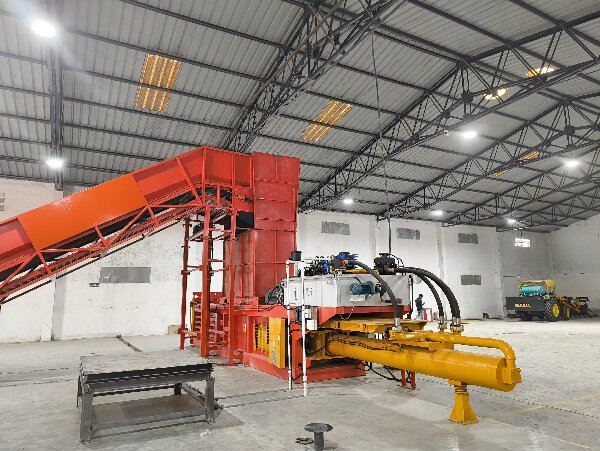
A recycling station manufacturer in Indonesia provides a concrete reference for the mixed-stream case. The company uses one unit for waste plastic baling and waste paper baling. The reported result is stable operation with low noise and low energy consumption. For a support plan, the important detail is the mixed feedstock: operators may need guidance on material preparation, bale quality checks, and maintenance routines that cover both plastic and paper. A supplier that only discusses the paper stream would leave part of the operating day uncovered.
A second scenario is an indoor recycling workshop handling waste paper, plastics, scrap metal, textiles, agricultural straw, and mixed solid waste. The application guidance describes the working condition as an indoor recycling workshop with ambient temperature from -10°C to 45°C, normal humidity, light dust, and stable three-phase power. In that setting, the support plan should cover more than the baler itself: conveyors, hydraulic components, baling wire, PET strapping, jumbo bags, packing tools, shredders, and crushers may all be part of the material flow. Complete-line configuration and installation support become relevant when those interfaces are part of the project.
These examples are not claims that every site will achieve the same result. They show why the support conversation should be based on the actual material mix, site conditions, and line configuration. A buyer with a single waste paper grade has a narrower training need than a buyer running mixed paper and plastic on the same site, but both need a documented route for maintenance, technical guidance, and spare parts.
Support scope comparison table
The table below keeps the comparison to documented provisions. It is a checklist for the commercial file, not a ranking of service quality.
| Support element | Documented scope in NKBALER material |
|---|---|
| Installation | Included in after-sales support; complete-line projects include installation support. |
| Training | Included in after-sales support; complete-line projects include training support. |
| Maintenance | Included in after-sales support. |
| Technical guidance | Included in after-sales support. |
| Spare parts | Included in after-sales support; complete-line projects include spare-parts support. |
| After-sales service | Included in after-sales support. |
| OEM / ODM | OEM production services and ODM services are available for baling equipment. |
| Customization | Model type, compression configuration, automation level, tying method, material adaptation, site layout, auxiliary conveyors, and complete-line configuration. |
| Production lead time | Typically 30–45 days. |
| Quality control | 100% test. |
FAQ: post-purchase questions buyers ask
What does long-term support include after a waste paper hydraulic baler is installed?
NKBALER states that after-sales support includes installation, training, maintenance, technical guidance, spare parts, and after-sales service. For baling equipment projects, the company also provides complete-line configuration, installation, training, and spare parts support. These elements are the practical content of the post-purchase relationship.
Which export markets are covered by the described after-sales support?
The after-sales support description covers Southeast Asia, the Middle East, Europe, Latin America, Africa, and other overseas regions. NKBALER also reports a 90% export share and main markets in North America, South America, and Asia. Buyers outside those listed regions should confirm the service route for their site in the quotation or support agreement.
Can NKBALER customize a baler for a different waste paper stream or site layout?
Yes. The documented customization options include model type, compression configuration, automation level, tying method, material adaptation, site layout, auxiliary conveyors, and complete-line configuration. These options are relevant when the waste paper grade, available floor space, or automation requirement differs from a standard configuration.
What is the typical production lead time and quality-control step?
The typical production lead time is 30–45 days. The stated quality-control step is 100% test. A buyer should align the site readiness, installation plan, and operator availability with that lead time rather than treating the machine as an off-the-shelf item.
Does NKBALER provide OEM and ODM production services for baling equipment?
Yes. OEM production services and ODM services are available for baling equipment. This matters for distributors, brand owners, and project buyers that need the machine configuration, documentation, or complete-line package aligned with their own market offer.
How can a procurement team verify long-term support before ordering?
Ask for the support scope in writing and compare it with the site plan: installation, training, maintenance, technical guidance, spare parts, and after-sales service. A practical next step is to request a quotation or an inquiry from NKBALER at Sales@nkbaler.com or +86 15021631102, and to include the support scope in the commercial review. The company website is www.nkbaler.com.
To discuss a waste paper hydraulic baler project, contact NKBALER at Sales@nkbaler.com or +86 15021631102. The company website is www.nkbaler.com.
Conclusion: support is part of the asset
A waste paper hydraulic baler creates value only when it keeps working with the material the buyer actually handles. The post-purchase relationship is therefore part of the asset, not an administrative afterthought. NKBALER's documented support scope covers installation, training, maintenance, technical guidance, spare parts, and after-sales service; its project scope extends to complete-line configuration and installation; and its customization options allow the machine and line to be adapted to the material and site. The company's 5,000 sq m factory, 50 staff, 15 R&D engineers, 600-unit annual output, 13 years since its 2013 founding, and 90% export share provide the operational context for that support. Buyers should still verify the scope in writing, because a long-term partner is proven by the handover file, the training record, and the spare-parts route—not by the word 'support' alone.
Have Questions or Need More Details?
Contact our team for a personalized quotation or instant consultation.
Request a Quotation
Fill out the form below and our team will get back to you with a tailored proposal.
WhatsApp Direct Chat
Prefer to chat in real-time? Message us on WhatsApp for instant assistance & quick answers.
- Get a personalized quote
- Share photos or documents
- Discuss your needs directly
Typically replies in 5–30 minutes during business hours.