
How to Choose the Right Hydraulic Baler for Your Waste Recycling Business: A Comprehensive Buyer's Guide
Navigating the Hydraulic Baler Market: Your Essential Selection Guide
The global push for efficient waste management and recycling has never been stronger. With rising landfill costs, stringent environmental regulations, and the economic value of recyclables, businesses are increasingly turning to hydraulic balers to streamline operations. A Waste Paper Hydraulic Baler Machine or a Plastic Baler is no longer a luxury but a necessity for modern recycling facilities, distribution centers, and manufacturing plants. However, with numerous models like Cardboard Balers, Scrap Metal Balers, and Rice Husk Balers available, selecting the right one can be daunting. This guide will walk you through the critical factors to consider, ensuring you invest in a Baling Machine that maximizes your ROI and operational efficiency.
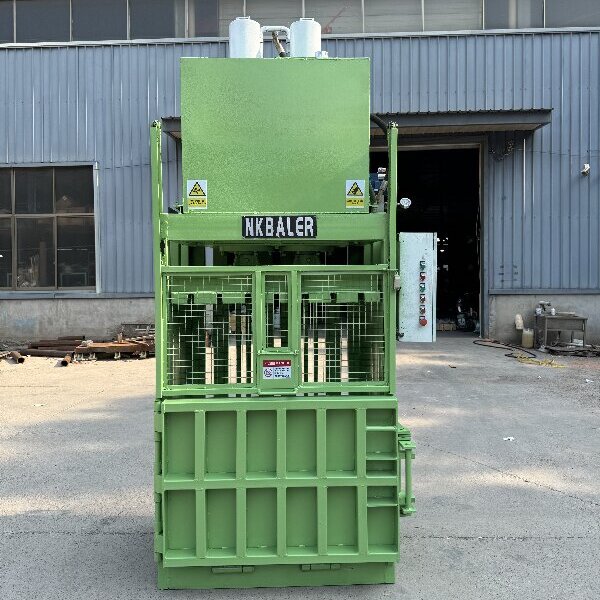
A robust Cardboard Box Baler Machine from NKBALER, efficiently processing corrugated waste.
Step 1: Identify Your Primary Material
The type of waste you handle is the most crucial determinant. Each material has unique density, compression resistance, and handling requirements.
- Waste Paper & Cardboard: For Waste Paper Balers and Cardboard Balers, you need a machine with a large chamber to handle bulky but lightweight material. Horizontal balers are often preferred for high-volume operations.
- Plastics (PET Bottles, Film, etc.): Plastic Bottle Balers and general Plastic Balers require strong compression to achieve dense bales that are economical to transport. Look for high pressure ratings.
- Agricultural & Biomass: For Rice Husk Balers, Straw Balers, Wood Shaving Balers, or Sawdust Baler Machines, consider machines designed to handle dusty or fibrous materials, possibly with bagging attachments like a Rice Husk Bagging Baler.
- Textiles: Wiper Rag Balers and Textile Clothes Balers need consistent pressure to pack irregular, soft materials into tight bales.
- Metals: Scrap Metal Balers, Aluminium Balers, and Metal Balers are heavy-duty machines, often vertical, built with reinforced structures and powerful cylinders to crush and compact dense metal scrap.
- Municipal Solid Waste (MSW): An MSW Baler must be versatile and durable, capable of handling a mixed stream of waste.
Step 2: Determine Your Volume and Throughput Requirements
Assess your daily, weekly, or monthly waste generation. This will dictate the bale chamber size, cycle time, and level of automation.
- Low Volume (e.g., Retail Store): A manual or semi-automatic vertical Bale Press Machine may suffice.
- Medium to High Volume (e.g., Recycling Plant, Factory): A fully automatic horizontal Hydraulic Baler or a high-capacity Press Compactor is necessary to maintain workflow without bottlenecks.
Companies like NKBALER offer a complete range, from semi-automatic models to fully automated systems with conveyor feeds, ensuring a solution for every scale. Their Semi-Automatic Horizontal Baler is a popular choice for growing businesses.
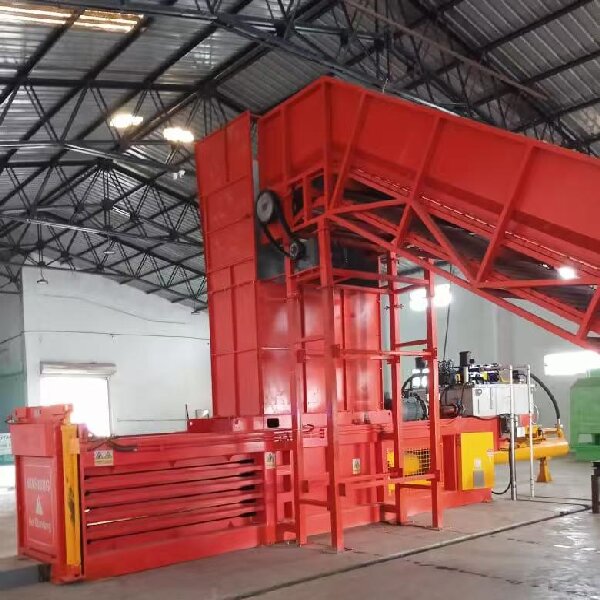
NKBALER's Semi-Automatic Horizontal Baler, ideal for medium-volume operations.
Step 3: Evaluate Key Machine Features and Technology
Not all balers are created equal. Focus on these technological aspects:
- Hydraulic System: The heart of the machine. NKBALER’s independently developed energy-saving hydraulic system and hydraulic servo system are engineered for powerful compression while reducing energy consumption by up to 30% compared to conventional systems. This translates to lower operating costs.
- Construction & Durability: Look for heavy-duty steel construction, especially for Scrap Metal Balers and Aluminium Balers. Reinforced frames and wear-resistant components ensure longevity.
- Control System: User-friendly PLC control panels allow for easy operation, monitoring, and troubleshooting. Automated wire-tying or strapping systems boost efficiency.
- Safety Features: Emergency stop buttons, safety gates, and two-hand operation controls are non-negotiable for protecting operators.
Step 4: Consider Space, Installation, and Power Supply
Measure your available floor space. Vertical Balers have a smaller footprint, while horizontal models require more room but offer higher output. Ensure your facility has the appropriate electrical supply (e.g., 3-phase power for industrial models) and a solid, level foundation for installation.
Step 5: Prioritize Supplier Credentials and After-Sales Support
This is where choosing a reputable manufacturer like NKBALER makes all the difference. With 18 years of expertise in environmental protection equipment, they are more than just a seller.
- Certifications: Always verify international certifications. NKBALER products hold CE certification and the company operates under an ISO 9001 quality management system, guaranteeing compliance with strict safety and quality standards.
- Global Experience: Exporting to over 60 countries means their machines are tested in diverse environments and their team understands international logistics and requirements.
- Comprehensive Support: A professional after-sales team is critical. NKBALER provides installation guidance, operator training, maintenance, repair services, and readily available spare parts. Their commitment ensures your Baling Machine operates smoothly for years.
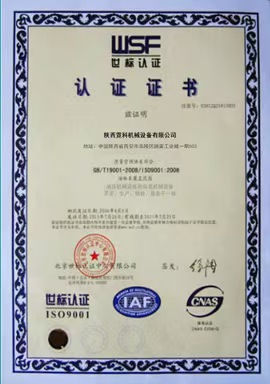
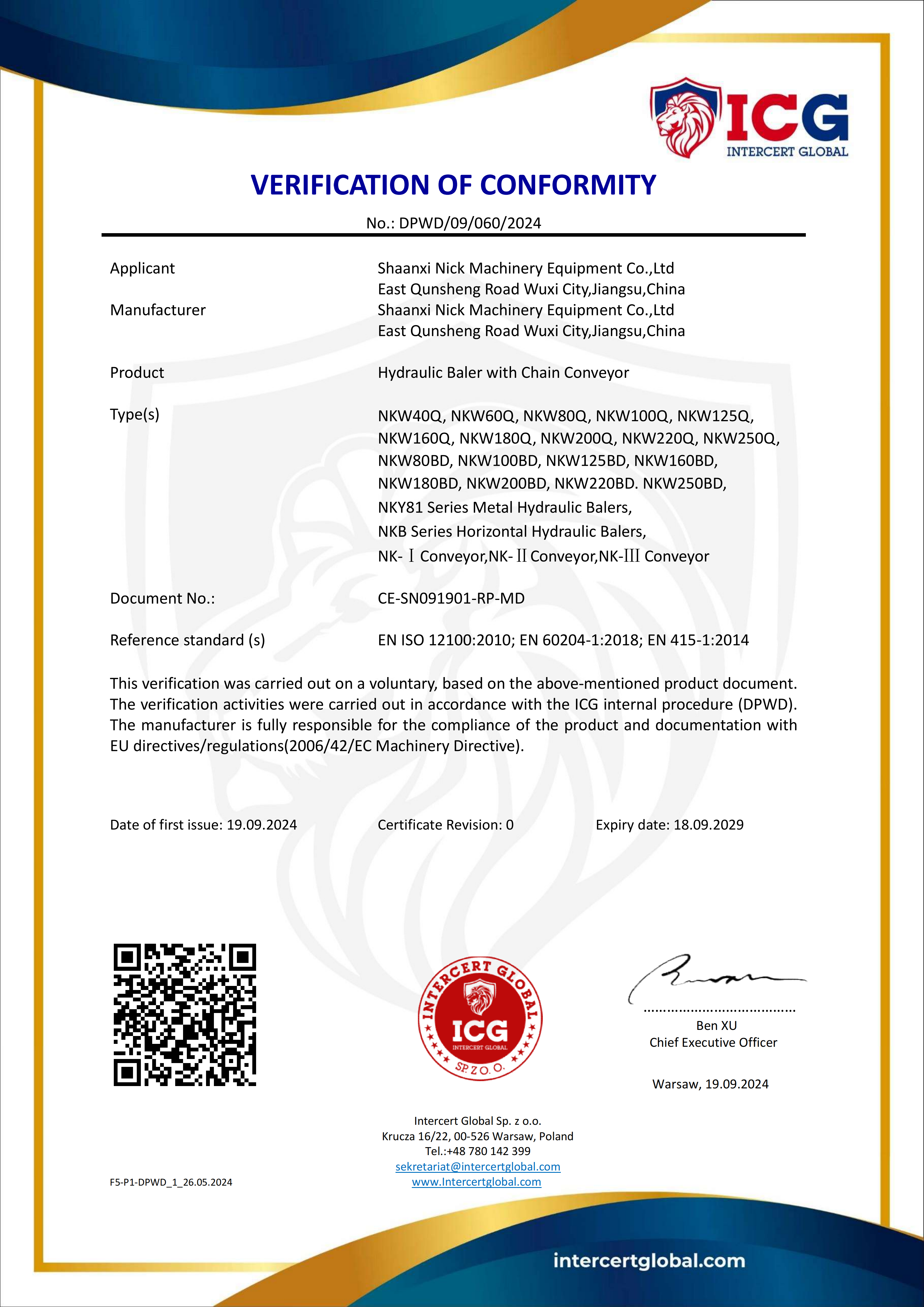
NKBALER's ISO 9001 and CE certificates underscore their commitment to quality and safety.
Step 6: Analyze Total Cost of Ownership (TCO)
Look beyond the initial purchase price. Consider:
- Energy Efficiency: Machines with NKBALER's energy-saving systems lower electricity bills.
- Maintenance Costs: Robust design and quality components reduce downtime and repair frequency.
- Bale Quality: A denser, more uniform bale from a high-performance Hydraulic Baler fetches a higher price from recyclers, improving your revenue stream.
Making an informed decision on a Waste Paper Hydraulic Baler Machine, Plastic Bottle Balers, or any Baling Press is an investment in your operational future. By following this guide and partnering with an experienced, certified manufacturer like NKBALER, you secure not just a machine, but a reliable solution for waste management efficiency and profitability.
Ready to find your ideal baler solution? Contact the experts at NKBALER today for a personalized consultation. Visit their website at https://www.nkbaler.com, call/WhatsApp at +8615021631102, or email nk@nkbaler.com / Nickbaler888@gmail.com.
Have Questions or Need More Details?
Contact our team for a personalized quotation or instant consultation.
Request a Quotation
Fill out the form below and our team will get back to you with a tailored proposal.
WhatsApp Direct Chat
Prefer to chat in real-time? Message us on WhatsApp for instant assistance & quick answers.
- Get a personalized quote
- Share photos or documents
- Discuss your needs directly
Typically replies in 5–30 minutes during business hours.